 Save to Pinterest
 The first time I made this soup, it was a rainy Tuesday and I was desperately trying to use up vegetables that were one day away from becoming compost science experiments. My immersion blender had been gathering dust in the back of a cabinet for months, and I'd never actually made a pureed soup that wasn't from a can. But something about that gloomy afternoon made me crave comfort in a bowl, so I just started chopping whatever looked vaguely soup-worthy and threw it all in the pot.
Last winter my sister came over after a terrible day at work, and I served her this soup without saying much. She took one sip, looked up with tears in her eyes, and said 'this tastes like someone cares about me.' That's when I realized that sometimes the most powerful thing you can make for someone isn't complicated or impressive—it's just honest food made with patience and warmth.
Ingredients
- Olive oil: Creates the foundation for sautéing the aromatics and adds a subtle fruity richness
- Onion and garlic: Build the aromatic base that makes everything else taste better
- Carrots, celery, and potato: These three form the backbone and provide natural sweetness and body
- Zucchini, broccoli, and cauliflower: Add freshness and color while contributing to the velvety texture when blended
- Vegetable broth: Use a good quality low-sodium version since it becomes the primary flavor vehicle
- Milk and cream: Create that luxurious mouthfeel while keeping the soup from feeling too heavy
- Dried thyme and oregano: Classic herb combination that bridges all the vegetable flavors together
- Fresh parsley: Adds a bright pop of color and fresh flavor right before serving
Tired of Takeout? 🥡
Get 10 meals you can make faster than delivery arrives. Seriously.
One email. No spam. Unsubscribe anytime.
Instructions
- Build your flavor foundation:
- Heat the olive oil in a large pot over medium heat and sauté the onion and garlic until they're soft and fragrant, about 2 to 3 minutes. The kitchen should start smelling wonderful right about now.
- Start the hard vegetables:
- Add the carrots, celery, and potato, cooking for about 5 minutes and stirring occasionally so nothing sticks. These take longer to break down, so they need the head start.
- Add the softer vegetables:
- Throw in the zucchini, broccoli, and cauliflower and cook for another 3 minutes. Everything will start smelling like a garden.
- Create the broth base:
- Pour in the vegetable broth and bring it to a boil, then reduce heat and let it simmer uncovered for 20 minutes until all the vegetables are completely tender. You should be able to easily pierce them with a fork.
- Transform into velvet:
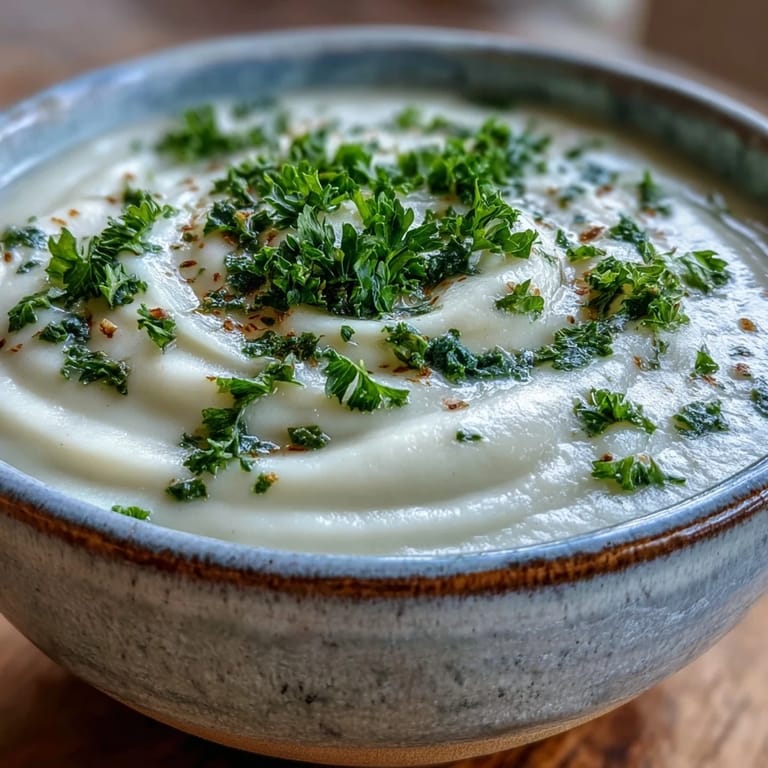
- Remove the pot from heat and use an immersion blender to puree everything until completely smooth. If you're using a regular blender, work in batches and be careful with hot liquid.
- Add the creamy finish:
- Return the soup to low heat and stir in the milk, cream, thyme, oregano, pepper, salt, and nutmeg if you're using it. Heat gently until warmed through—do not let it boil or the dairy might separate.
- Make it yours:
- Taste the soup and adjust the seasonings as needed, then ladle into bowls, garnish with fresh parsley, and serve hot with good bread.
 Save to Pinterest
 This soup has become my go-to when friends are sick, stressed, or just need a quiet dinner. Something about that smooth, creamy texture feels like being wrapped in a blanket.
Making It Your Own
Once you master the basic technique, this soup becomes a canvas for whatever vegetables are in season or hiding in your crisper drawer. I've made versions with roasted squash in fall, asparagus in spring, and even added a handful of spinach at the very end for extra nutrition without changing the flavor profile much.
Texture Secrets
If you prefer some texture, blend only half the soup and mix it back in—the potato naturally thickens everything beautifully. For an even more luxurious version, try roasting the vegetables first before simmering them in broth. The caramelized edges add depth that makes people wonder what your secret ingredient is.
Serving Suggestions
A crusty baguette for dipping is non-negotiable in my house. A simple green salad with vinaigrette cuts through the richness perfectly. For a more substantial meal, I sometimes serve it alongside grilled cheese sandwiches made with sharp cheddar.
- Make a double batch and freeze half for emergencies
- The flavors actually deepen overnight, so it's perfect for meal prep
- A drizzle of good olive oil on top just before serving feels fancy
 Save to Pinterest
 There's something profoundly satisfying about turning humble vegetables into something this comforting. Hope this soup finds you on a day when you need it most.
Recipe FAQs
- → Can I make this soup vegan?
Yes, simply substitute whole milk and heavy cream with unsweetened plant-based milk like oat or almond milk, and use coconut cream instead of dairy cream. The texture remains just as velvety.
- → How long will leftovers keep?
Store cooled soup in an airtight container in the refrigerator for up to 4 days. Reheat gently over low heat, adding a splash of milk or broth if needed to restore consistency.
- → Can I freeze this soup?
Yes, freeze in portion-sized containers for up to 3 months. Thaw overnight in the refrigerator and reheat slowly. Note that the texture may be slightly thinner after freezing.
- → What vegetables work best in this soup?
Root vegetables like carrots, potatoes, and celery create a hearty base. Broccoli, cauliflower, and zucchini add depth. Feel free to swap based on seasonality or preference—butternut squash, parsnips, or sweet potato work beautifully too.
- → How do I achieve the smoothest texture?
Use an immersion blender directly in the pot for convenience, or puree in batches using a countertop blender. For safety, allow hot soup to cool slightly before blending, and never fill a blender more than halfway.
- → Can I add protein to this soup?
Absolutely. Stir in cooked white beans, lentils, or shredded chicken during the final heating step. For a plant-based protein boost, add tofu cubes or blend in cooked chickpeas.