 Save to Pinterest
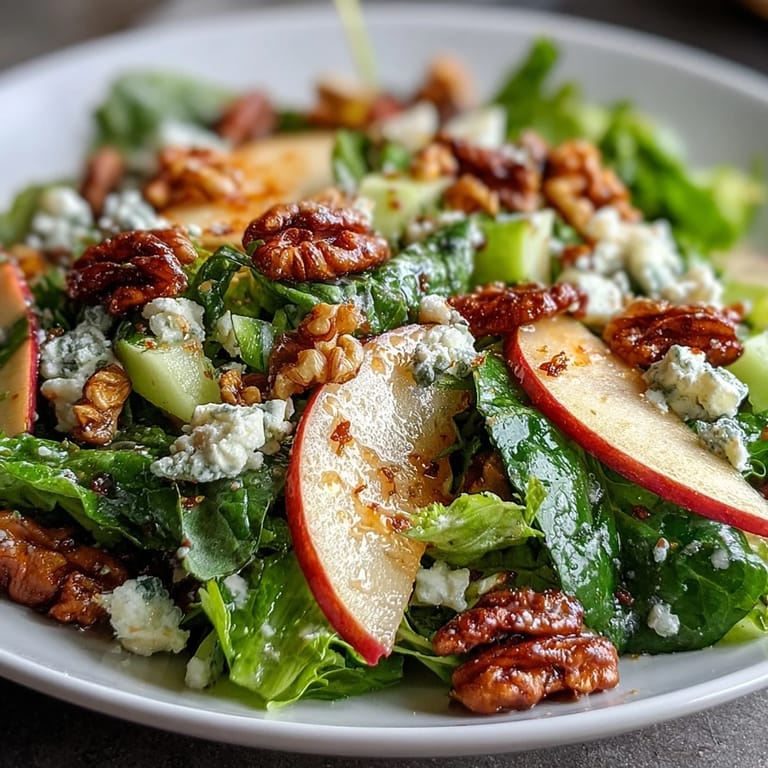
 My neighbor knocked on my kitchen door one November afternoon with a bag of just-picked apples, and I had maybe thirty minutes before guests arrived. I'd seen this combination somewhere—crisp apples, walnuts, something bright and vinegary—and decided to trust my instincts. That salad became the thing people asked about, not the main course I'd worried over all morning. Sometimes the best dishes arrive unplanned, built from whatever's on hand and a willingness to keep things simple.
I've made this salad at least once a week through winter since that November day, sometimes for two people, sometimes for eight. There's something about assembling it that feels meditative—the soft sound of the knife against the cutting board, the small click of walnut pieces hitting the bowl. Even on rushed evenings, it reminds me that good food doesn't require drama.
Ingredients
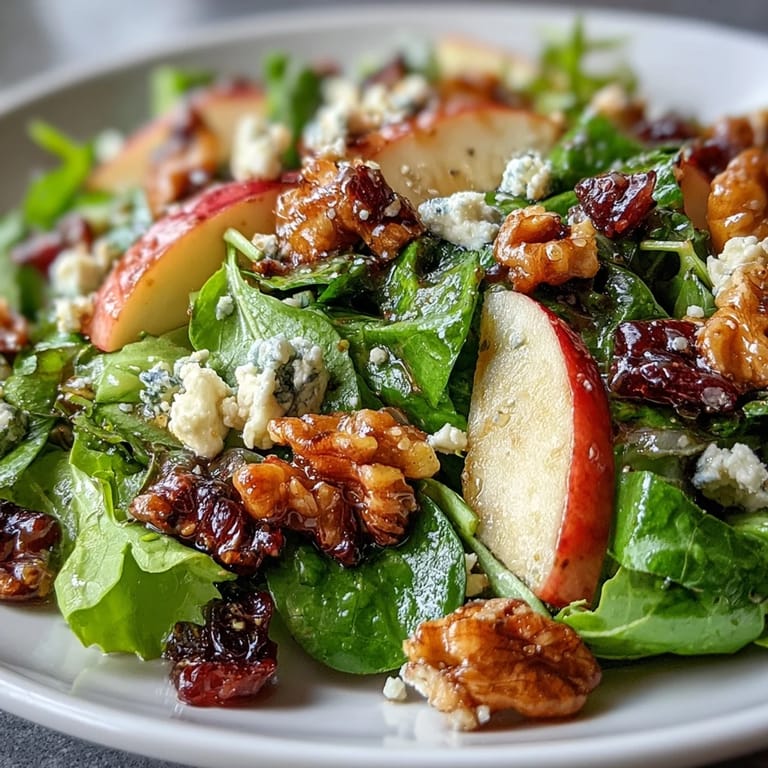
- 2 large crisp apples (Honeycrisp or Granny Smith), cored and thinly sliced: The type of apple genuinely matters here; soft varieties get lost. I've learned to slice them last, just before serving, so they don't brown or lose that satisfying snap.
- 1 small celery stalk, thinly sliced: This adds a subtle earthiness and crunch that balances the sweetness of the apples without announcing itself.
- 50 g mixed salad greens (arugula, baby spinach): The peppery bite from arugula especially keeps this from feeling one-note sweet.
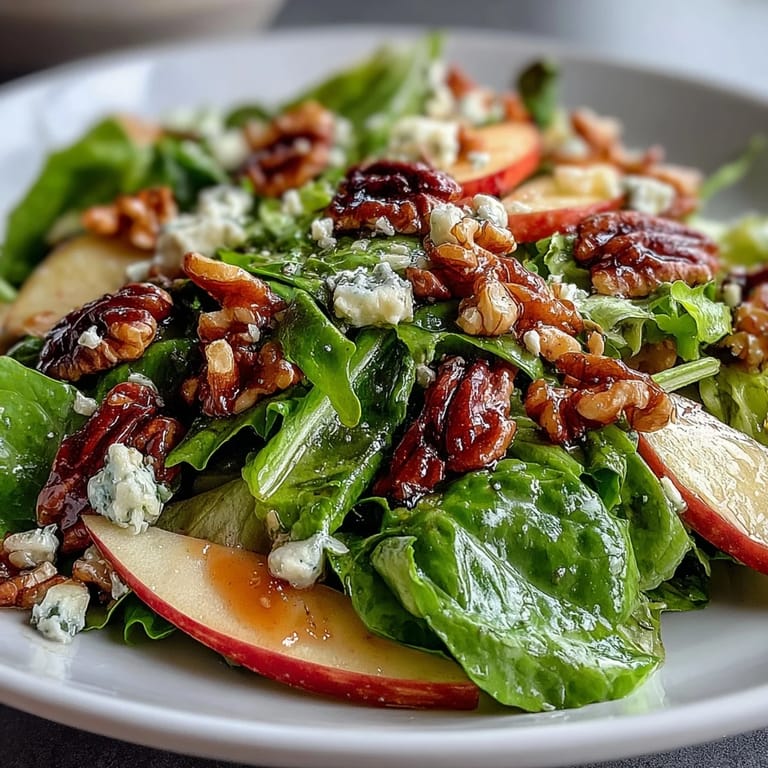
- 80 g walnuts, roughly chopped: Leave them in irregular pieces so you get textural variety with every bite; they're too precious to pulverize.
- 60 g crumbled blue cheese or feta, optional: Omit entirely for dairy-free, or swap in goat cheese if that's what you have—each brings its own personality.
- 2 tbsp extra-virgin olive oil: This deserves to be good olive oil, not the budget bottle; it's one of only five ingredients in the dressing.
- 1 tbsp apple cider vinegar or lemon juice: Apple cider vinegar echoes the fruit and feels more intentional, though lemon works in a pinch.
- 1 tsp honey or maple syrup: A small sweetness that rounds out the tanginess and helps the dressing emulsify.
- 1 tsp Dijon mustard: This is the secret anchor that makes everything taste more like itself; don't skip it thinking it won't matter.
- Salt and freshly ground black pepper, to taste: Taste as you go; the amount you need depends on whether your greens or cheese are already seasoned.
Tired of Takeout? 🥡
Get 10 meals you can make faster than delivery arrives. Seriously.
One email. No spam. Unsubscribe anytime.
Instructions
- Make the dressing first:
- In a small bowl, whisk olive oil, vinegar, honey, and mustard together until it looks emulsified and holds together for a breath. This takes about thirty seconds if you're patient; rushing makes it separate.
- Build the salad base:
- Combine your greens, celery, and walnuts in a large bowl before adding the apples, which stops them from oxidizing while you work. Toss everything gently so nothing bruises.
- Dress and serve:
- Drizzle the dressing over the salad and toss with a light hand until every piece glimmers, then taste for salt. Sprinkle cheese on top if you're using it, and serve right away while the apples are still crisp.
 Save to Pinterest
 One evening a friend who'd been stressed all week came over, took one bite, and actually paused—not from politeness, but from noticing. She said it tasted like care in the simplest way. That's when I understood why this salad keeps showing up on my table; it's not flashy, but it pays attention.
Why Walnuts Are Worth Toasting
Raw walnuts work perfectly fine, but toasting them for three to four minutes in a dry skillet transforms them into something warmer and deeper. The kitchen smells incredible—nutty and almost caramel-like—and they develop a subtle crispness that plain ones don't have. Let them cool before chopping so they don't get oily.
Variations That Keep It Interesting
Pears work beautifully in place of apples, especially in early winter before apples hit their peak. Dried cranberries or pomegranate seeds add color and a different kind of tartness if you want something festive. I've even added thinly sliced red onion on days when I wanted a sharper bite, though go easy—it can overpower if you're not careful.
Pairing and Serving Ideas
This salad sits happily alongside roasted chicken, grilled fish, or even a warm lentil soup, which is why it's become my default side dish. It's light enough that it doesn't compete with a main course, but substantial enough that you don't need much else for a solo lunch. A crisp white wine—Sauvignon Blanc or dry Riesling—echoes the flavors if you're in the mood.
- Make it a few hours ahead if you must, but add the dressing just before serving or the greens will wilt.
- Double or triple the dressing recipe; it keeps in the fridge and tastes even better the next day.
- This salad transforms leftovers, turning yesterday's roasted vegetables into something fresh feeling and new.
 Save to Pinterest
 This salad doesn't ask much of you, which might be exactly why it's become something I reach for again and again. There's freedom in a dish this straightforward.
Recipe FAQs
- → What type of apples work best?
Crisp, tart varieties like Honeycrisp or Granny Smith hold their texture well and provide a nice contrast to the sweet vinaigrette. Firm apples maintain crunch even after dressing.
- → Can I make this ahead?
Prepare dressing and slice ingredients up to 4 hours ahead. Store separately and toss just before serving to maintain crispness. Apples may brown slightly, so toss with lemon juice if prepping early.
- → What can substitute walnuts?
Pecans, almonds, or hazelnuts work well. Toast nuts for 5-8 minutes at 350°F (175°C) to enhance flavor. For nut-free versions, try pumpkin or sunflower seeds.
- → Is this dairy-free?
Yes, simply omit the optional cheese. The vinaigrette contains no dairy, making the base salad naturally dairy-free and gluten-free.
- → How long will leftovers last?
Best enjoyed immediately for maximum crispness. Leftovers keep 1-2 days refrigerated, though apples soften and greens wilt. Store dressing separately if possible.