 Save to Pinterest
 The smell of venison searing in a hot pan still takes me back to a foggy November evening when I first cooked game meat at home. I was nervous, convinced I'd ruin the expensive steaks, but the thyme hit the oil and something clicked. The swede I'd bought on a whim sat waiting on the counter, knobby and unfamiliar. That night taught me that unfamiliar ingredients often become the most comforting ones.
I made this for friends who claimed they didn't like root vegetables, and they scraped their plates clean. One of them kept asking what was in the mash, convinced there was something secret. It was just butter, cream, and those toasted caraway seeds doing all the work. Sometimes the simplest tricks feel like magic.
Ingredients
- Venison steaks (4, about 150 to 180 g each): Look for steaks that are deep red and evenly cut so they cook at the same rate, and always bring them to room temperature before cooking.
- Olive oil (1 tbsp): Just enough to coat the meat and help the thyme stick without making the pan smoke.
- Fresh thyme leaves (2 tsp): Strip them from the stems right before using for the brightest flavor that clings to the meat beautifully.
- Salt and freshly ground black pepper: Season generously because venison is lean and needs the help to shine.
- Swede (1 large, about 900 g, peeled and diced): Choose one that feels heavy for its size and peel away the thick skin completely to avoid any bitterness.
- Unsalted butter (40 g): This is what makes the mash silky and rich, so don't skimp or substitute with margarine.
- Double cream (2 tbsp): A little goes a long way to add body, but you can use milk if you want it lighter.
- Caraway seeds (1 tsp): Toasting them first releases oils that smell like rye bread and autumn all at once.
- Red wine (100 ml, optional): Use something you'd actually drink, nothing too sweet or cheap, because it concentrates fast.
- Beef or game stock (100 ml, optional): Adds depth to the sauce and ties the whole plate together if you go that route.
- Redcurrant jelly (1 tsp, optional): A tiny spoonful balances the richness and adds a subtle sweetness that feels grown up.
- Cold butter (1 tsp, for sauce): Whisked in at the end, this makes the sauce glossy and smooth instead of thin and sharp.
Tired of Takeout? 🥡
Get 10 meals you can make faster than delivery arrives. Seriously.
One email. No spam. Unsubscribe anytime.
Instructions
- Boil the swede:
- Bring a large pot of salted water to a rolling boil, then add the diced swede and cook for 20 to 25 minutes until a fork slides through easily. Don't rush this step or you'll end up with lumps.
- Prepare the venison:
- Pat the steaks completely dry with paper towels, then rub them all over with olive oil, thyme, salt, and pepper. Let them sit at room temperature while the swede finishes cooking so they sear instead of steam.
- Toast the caraway:
- Heat a dry pan over medium heat and add the caraway seeds, shaking often for 1 to 2 minutes until they smell nutty and fragrant. Set them aside before they burn.
- Mash the swede:
- Drain the cooked swede really well, then return it to the pot and add butter, cream, toasted caraway, salt, and pepper. Mash until mostly smooth but still a little rustic, then cover and keep warm.
- Sear the venison:
- Heat a heavy skillet or griddle pan over medium high until it's properly hot, then sear the steaks for 2 to 3 minutes per side for medium rare. Let them rest on a warm plate loosely covered for 5 minutes so the juices settle back in.
- Make the optional sauce:
- In the same pan, pour in the red wine and scrape up all the tasty bits stuck to the bottom, then add stock and redcurrant jelly. Let it bubble hard until it's thick and syrupy, then whisk in the cold butter off the heat and season to taste.
- Serve:
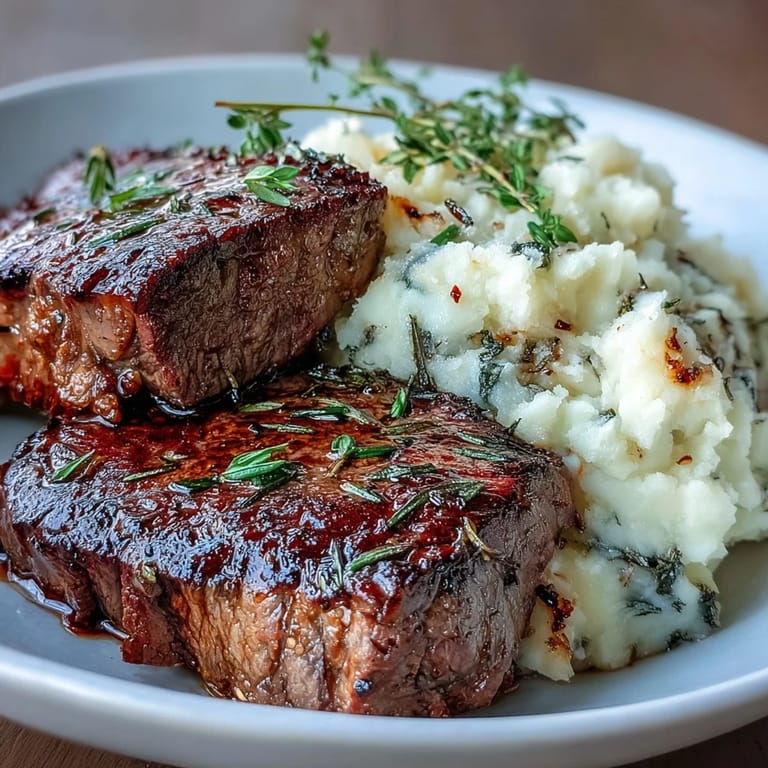
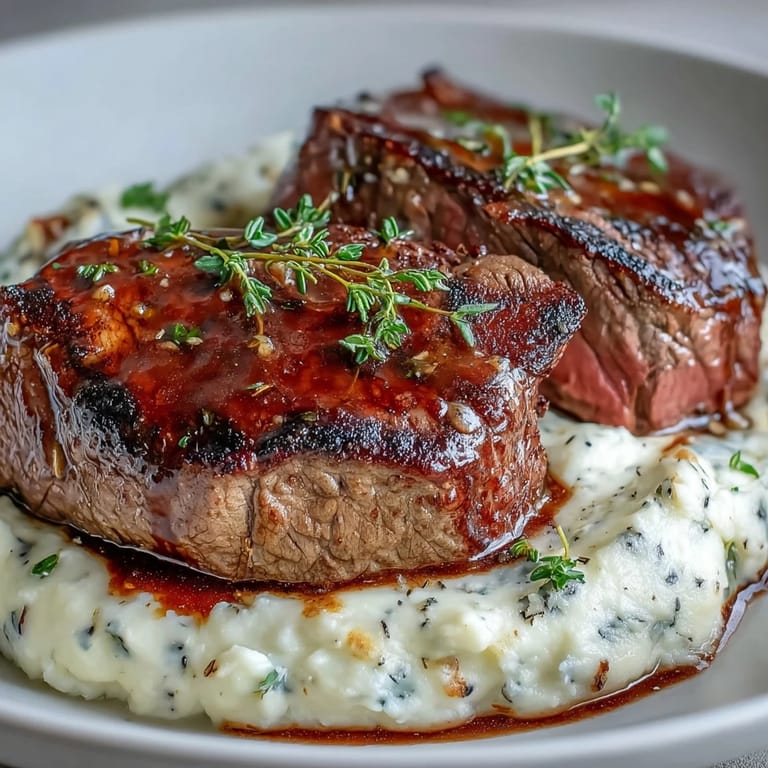
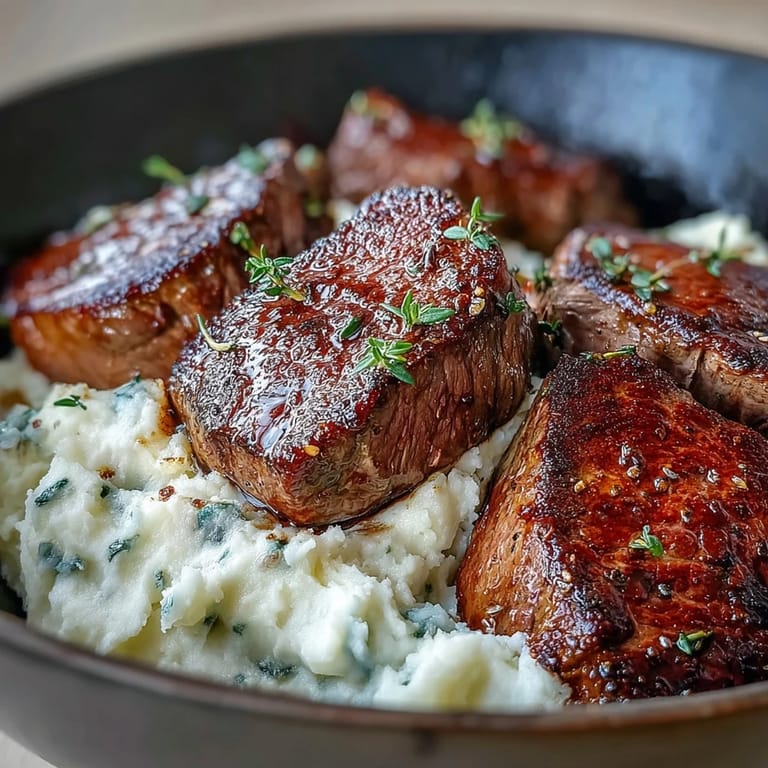
- Spoon the caraway crushed swede onto warm plates, top with the rested venison steaks, and drizzle the sauce over everything if you made it. Serve immediately while it's all still hot.
 Save to Pinterest
 The first time I plated this properly, with the steak resting on the mash and the sauce pooled around it, I felt like I'd leveled up. My partner looked at the plate and said it looked like something from a restaurant. That tiny moment of pride made all the nervous prep worth it, and now I make it whenever I want to feel capable in the kitchen.
Choosing Your Venison
Not all venison is the same, and I learned this the expensive way. Farm raised venison tends to be milder and more tender, while wild game has a deeper, richer flavor that some people love and others find too strong. Ask your butcher what they recommend for pan searing, and don't be shy about saying it's your first time. They'll usually steer you toward cuts that are forgiving and flavorful, and you'll avoid the tougher cuts meant for slow braising.
Working with Swede
Swede has a bad reputation from school dinners, but when it's treated right it's sweet, earthy, and almost creamy. The key is peeling away all the tough skin and cooking it until it's truly soft, not just sort of done. I used to undercook it and wonder why my mash was stringy, but now I test it obsessively with a fork and it's always perfect. If you can't find swede, a mix of parsnip and celeriac works beautifully and adds a slight sweetness.
Serving and Pairing Ideas
This dish feels like autumn and winter on a plate, so I lean into that with sides. Sautéed kale or cavolo nero with garlic works perfectly, and roasted carrots or beetroot add color and sweetness. A robust red wine like Syrah or Malbec stands up to the venison without overpowering it, and if you're not into wine, a rich ale or stout feels just as right.
- Add a pinch of nutmeg to the swede mash for extra warmth and depth.
- Swap half the swede for parsnip or celeriac if you want a slightly different flavor profile.
- Double the sauce recipe if you love it because it's incredible mopped up with crusty bread the next day.
 Save to Pinterest
 This recipe turned me into someone who actually looks forward to cooking game meat instead of fearing it. I hope it does the same for you, because there's something quietly satisfying about nailing a dish that feels this elegant and cozy at the same time.
Recipe FAQs
- → How do I know when venison steaks are cooked properly?
Venison is best served medium-rare to medium. Sear for 2-3 minutes per side for medium-rare, or use a meat thermometer to reach 55-60°C internal temperature. Let rest for 5 minutes before serving to retain juices.
- → Can I substitute swede with another vegetable?
Yes, you can use parsnip or celeriac as alternatives, or combine them with swede for varied flavor. Both work well with caraway and offer similar creamy textures when mashed.
- → What does caraway add to the swede mash?
Caraway seeds bring a warm, slightly earthy and anise-like flavor that complements the natural sweetness of swede. Toasting them enhances their aromatic qualities and adds depth to the dish.
- → Is the red wine sauce necessary?
The sauce is optional but highly recommended. It adds richness and ties the dish together beautifully. The redcurrant jelly balances the gamey flavor of venison with subtle sweetness.
- → How should I store and reheat leftovers?
Store venison and swede separately in airtight containers for up to 3 days. Reheat venison gently in a low oven to avoid overcooking. Warm the swede mash on the stovetop with a splash of milk or cream.
- → What sides pair well with this dish?
Sautéed winter greens like kale or cabbage, roasted root vegetables, or wilted spinach complement the richness of the venison and swede beautifully while adding color and nutritional balance.