 Save to Pinterest
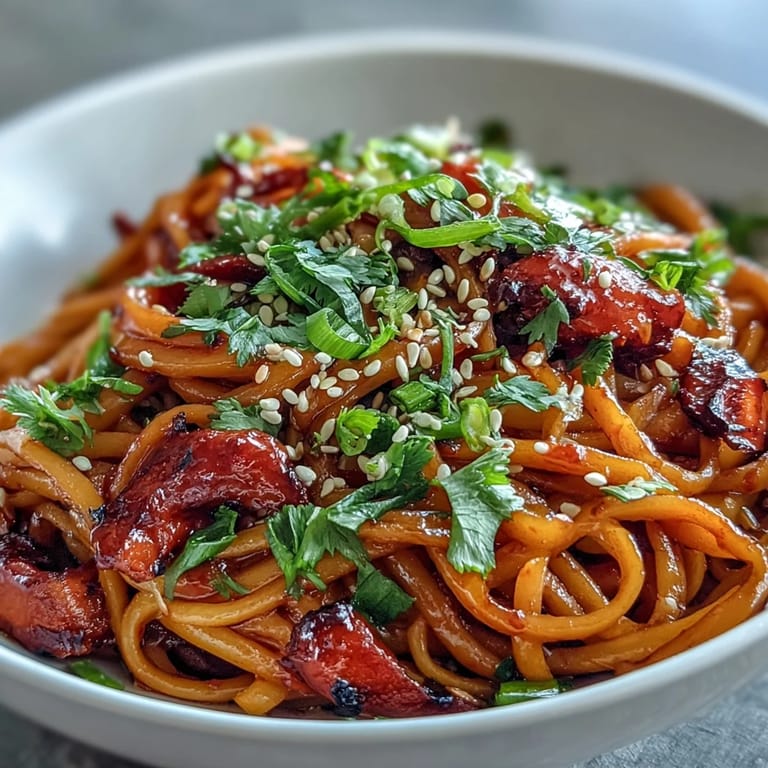
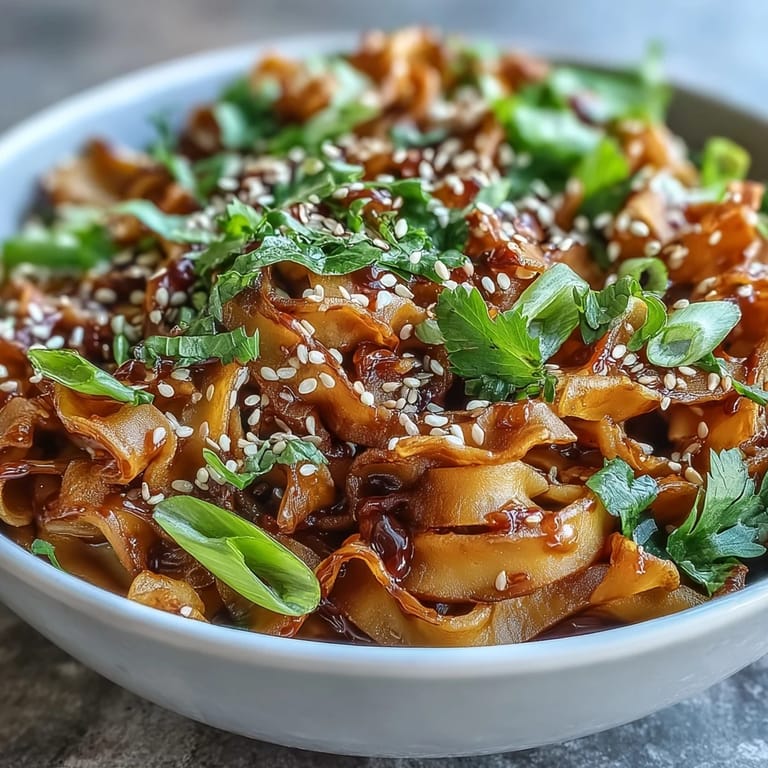
 I was staring at a swede in my kitchen one Tuesday night, completely stumped. It had been sitting in the vegetable drawer for a week, and I kept reaching past it for easier things. Then I remembered a noodle dish I'd had at a pop-up that used ribboned vegetables instead of more veg, and something clicked. I grabbed my peeler, turned on a podcast, and started shaving the swede into long, delicate strips. What came out of the oven that night was caramelized, sweet, and just begging for something bold to dress it up.
The first time I made this for friends, I was nervous they would find it weird. Swede is not exactly trendy. But when I tossed those golden ribbons with the glossy, rust-colored dressing and piled it all onto plates, everyone went quiet in that good way. One friend asked if I'd been holding out on them, hiding some secret chef skills. I laughed and told them it was just a peeler, an oven, and a willingness to trust that roasting makes everything better.
Ingredients
- Swede (rutabaga): The star here, and when roasted, it becomes sweet and slightly nutty with crispy edges that soak up the dressing beautifully.
- Rice noodles: Their mild, slippery texture is the perfect base and they do not compete with the bold flavors of the sauce.
- Gochujang: This Korean chili paste brings fermented depth, gentle heat, and a touch of umami that makes the whole dish hum.
- Maple syrup: Balances the heat and saltiness while helping the dressing cling to every ribbon and noodle.
- Toasted sesame oil: Just a tablespoon adds a warm, nutty aroma that makes the kitchen smell like a cozy noodle bar.
- Garlic and ginger: Freshly grated, they add sharpness and zing without overpowering the sweetness of the swede.
- Spring onions: Thinly sliced, they give a mild bite and a pop of color that feels fresh and bright.
- Sesame seeds: Toasted until golden, they add a little crunch and a nutty finish to each forkful.
Tired of Takeout? 🥡
Get 10 meals you can make faster than delivery arrives. Seriously.
One email. No spam. Unsubscribe anytime.
Instructions
- Get the oven hot:
- Preheat your oven to 220°C (425°F) so it is ready to work its magic on the swede. A hot oven is what gives you those caramelized edges.
- Prep and roast the swede:
- Toss your swede ribbons with vegetable oil, salt, and pepper, then spread them out on a baking sheet in a single layer. Roast for 25 to 30 minutes, flipping halfway through, until they are golden and tender with crispy bits.
- Cook the noodles:
- While the swede roasts, cook your rice noodles according to the package directions. Drain them, rinse under cold water to stop the cooking, and set them aside.
- Mix the dressing:
- In a bowl, whisk together the gochujang, soy sauce, maple syrup, rice vinegar, sesame oil, garlic, ginger, chili flakes if using, and water. Taste it and adjust the water until it is pourable but still rich.
- Toss it all together:
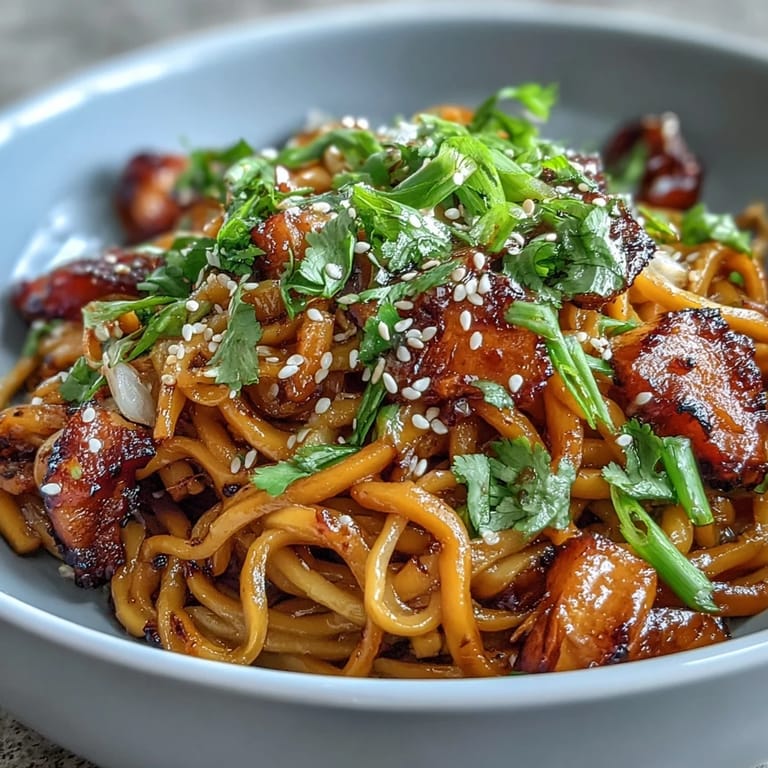
- In a large mixing bowl, combine the roasted swede, noodles, spring onions, carrot, and bean sprouts if using. Pour the dressing over everything and toss gently until every ribbon and noodle is glossy and coated.
- Serve and garnish:
- Divide the noodles among bowls and top with toasted sesame seeds and fresh cilantro. Serve immediately while everything is still warm and fragrant.
 Save to Pinterest
 There was one evening when I made this after a long, frustrating day, and I remember standing at the counter, twirling noodles onto my fork, feeling the heat from the gochujang warm me from the inside. It was not fancy or complicated, but it felt like exactly what I needed. That is when I realized this dish is not just about feeding yourself, it is about giving yourself something vibrant and alive when everything else feels flat.
How to Prep Your Swede Like a Pro
Swede can be intimidating because it is dense and has thick skin, but once you get the hang of it, it is easy. I use a sharp knife to slice off the top and bottom, then stand it upright and peel away the skin in downward strokes. For ribbons, a Y-peeler works beautifully, or if you have a mandoline, use the julienne attachment. Just watch your fingers, because I have nicked myself more than once when I got too confident.
Making the Dressing Ahead
The gochujang dressing keeps beautifully in the fridge for up to a week, and I have started making double batches. It is incredible on roasted vegetables, grain bowls, or even as a marinade for tofu. Just give it a good stir before using, because the sesame oil can separate a little. Sometimes I add a squeeze of lime juice right before serving to brighten it up even more.
Serving and Storing Leftovers
This dish is best enjoyed fresh and warm, when the noodles are still tender and the swede has that roasted sweetness. If you do have leftovers, store them in an airtight container in the fridge for up to two days. The noodles will firm up a bit, but a quick toss in a hot pan with a splash of water brings them back to life. I have also eaten it cold straight from the fridge as a quick lunch, and honestly, it still hits.
- If you are meal prepping, keep the dressing separate and toss everything together just before eating.
- Add a fried egg on top for breakfast leftovers, it is unexpectedly perfect.
- Reheat gently in a pan rather than the microwave to avoid mushy noodles.
 Save to Pinterest
 This dish taught me that the vegetables I overlook are often the ones with the most to offer. I hope it becomes one of those recipes you turn to when you want something that feels special without a lot of fuss.
Recipe FAQs
- → Can I substitute swede with another vegetable?
Yes, you can use butternut squash, sweet potato, or even zucchini ribbons. Adjust roasting time based on the vegetable's density and moisture content.
- → How spicy is this dish?
The heat level is moderate, coming primarily from the gochujang paste. You can adjust the spiciness by using more or less gochujang, or add chili flakes for extra kick.
- → Can I make this ahead of time?
The components can be prepared separately and stored for up to 2 days. Combine and toss with dressing just before serving for best texture and flavor.
- → What can I use instead of rice noodles?
Soba noodles, udon, or even spiralized vegetables like zucchini work well. Choose based on your dietary preferences and desired texture.
- → Is gochujang gluten-free?
Not all gochujang is gluten-free, as some brands contain wheat. Check labels carefully or look for certified gluten-free versions if needed.
- → How do I store leftovers?
Store in an airtight container in the refrigerator for up to 3 days. The noodles may absorb some dressing, so you might want to add a splash of sesame oil when reheating.