 Save to Pinterest
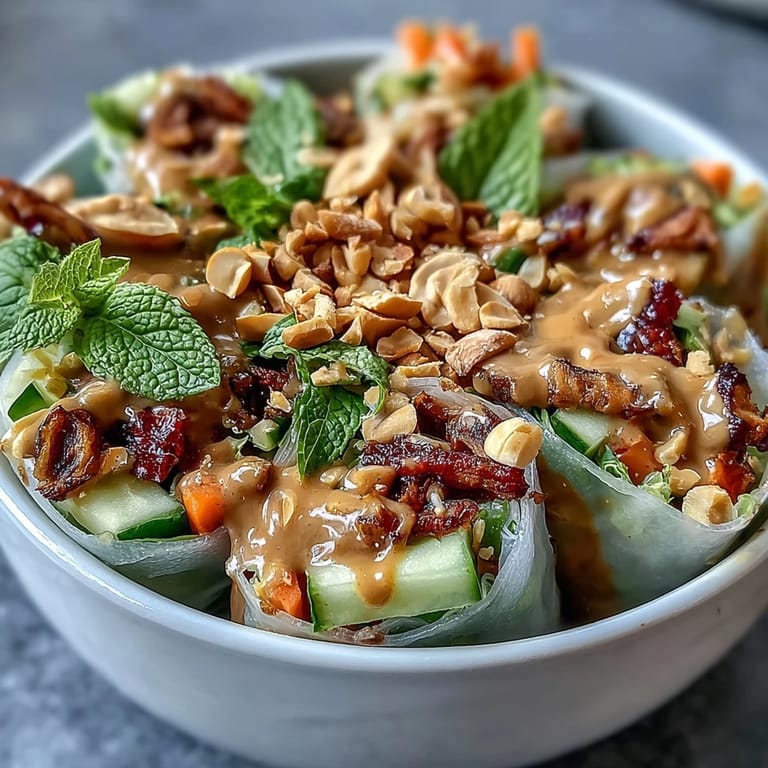
 My coworker brought one of these bowls to lunch last summer, and I watched her eat it with this zen-like focus, picking up pieces of rice paper with her chopsticks like she was doing something sacred. When she finally offered me a bite, the contrast hit me immediately—crispy rice paper shattering between my teeth, cool vegetables, that peanut sauce wrapping everything in warmth. I went home and deconstructed every spring roll I'd ever made, and suddenly this bowl made complete sense.
I made this for my sister's book club meeting once, and someone asked if I'd ordered it from a restaurant. Watching people realize the crispy bits were actually rice paper, that the whole thing was something I'd assembled in my own kitchen, felt oddly proud. She still texts me asking for the recipe, and I know she never makes it, but I like that it exists between us as this small, perfect thing.
Ingredients
- Rice paper sheets: These are the textural magic, so don't skip them even if you're using noodles as a base; they add that satisfying crunch that makes you keep coming back for another bite.
- Jasmine rice or vermicelli noodles: The foundation that lets everything else shine—use jasmine if you want something heavier, vermicelli if you want to taste every component.
- Protein of choice: Chicken stays neutral and lets the sauce dominate, tofu absorbs flavors like a sponge, and shrimp brings its own delicate sweetness to the party.
- Carrot: Raw and julienned, it stays crisp and adds this bright earthiness that grounds all the other flavors.
- Cucumber: Always deseed it or you'll end up with a watery bowl, and the difference between doing this and not doing it is genuinely noticeable.
- Red bell pepper: Thin slices catch the sauce better than chunks, and the sweetness balances the savory and spicy elements.
- Red cabbage: Don't skip the red one—it's prettier than green, has a slightly different flavor, and when you shred it yourself the texture is better than pre-shredded.
- Mixed salad greens: Use whatever you have, but choose something with character rather than iceberg lettuce; butter lettuce or arugula changes the whole story.
- Fresh mint and cilantro: These aren't garnishes, they're essential—the cooling mint and bright cilantro are what separate this from a regular vegetable bowl.
- Creamy peanut butter: Use the natural kind without added sugar; it tastes cleaner and blends better into the sauce.
- Soy sauce: The umami backbone, and worth using tamari if anyone at your table needs gluten-free.
- Hoisin sauce: Just a tablespoon adds this mysterious depth that people never quite identify but always appreciate.
- Rice vinegar: It brightens the sauce without overpowering it, and regular vinegar will taste too harsh and aggressive by comparison.
- Lime juice: Squeeze it fresh; bottled tastes tinny and sad in comparison.
- Sriracha: Optional because heat preferences are personal, but start with one teaspoon and taste as you go.
- Warm water: The secret to a sauce that doesn't taste like peanut butter soup—add it gradually and stop when the consistency feels right.
- Roasted peanuts: Chop them yourself rather than buying pre-chopped; they stay fresher and taste more intentional.
- Fried shallots: Not essential but they add a texture that makes people wonder what your secret ingredient is.
Tired of Takeout? 🥡
Get 10 meals you can make faster than delivery arrives. Seriously.
One email. No spam. Unsubscribe anytime.
Instructions
- Soften the rice paper:
- Fill a shallow dish with warm water and work quickly—submerge each sheet for just five to ten seconds, and you'll feel when it's ready because it'll stop resisting your fingers. Lay them on a clean towel where they'll finish setting while you prep everything else.
- Prepare your protein:
- Whether you're grilling chicken, pan-frying tofu, or using store-bought shrimp, make sure it's actually cooked and cooled enough to handle. Slice or cube it depending on what feels right to you, and taste a piece to make sure the seasoning is actually interesting.
- Slice all the vegetables:
- Julienne the carrot and cucumber so they catch the sauce and sit prettily in the bowl, slice the pepper thin enough that you don't have to chew it to death, and shred the cabbage by hand if you have the time. The vegetables should feel delicate and intentional, not chunked.
- Make the peanut sauce:
- In a medium bowl, start whisking together the peanut butter, soy sauce, hoisin, rice vinegar, lime juice, and sriracha, and you'll notice the mixture seizing up before it comes together. Add warm water a tablespoon at a time, whisking constantly, until it reaches that pourable consistency where it coats a spoon without pooling.
- Cut the softened rice paper:
- Stack two or three sheets and cut them into rough strips or squares with your knife or scissors—they don't need to be perfect, just broken up enough that they'll scatter across the top of the bowl and catch the sauce.
- Build each bowl:
- Divide the rice or noodles into four bowls, then layer in the rice paper pieces, vegetables, salad greens, herbs, and protein in whatever order makes you happy. The order doesn't matter as long as the rice paper is distributed so it stays crispy rather than sinking to the bottom and getting soggy.
- Finish and serve:
- Drizzle the peanut sauce generously over the top, sprinkle with chopped peanuts and fried shallots if using, and serve with lime wedges so people can adjust the brightness to their taste. The lime is important—it cuts through the richness and makes every bite feel fresh.
 Save to Pinterest
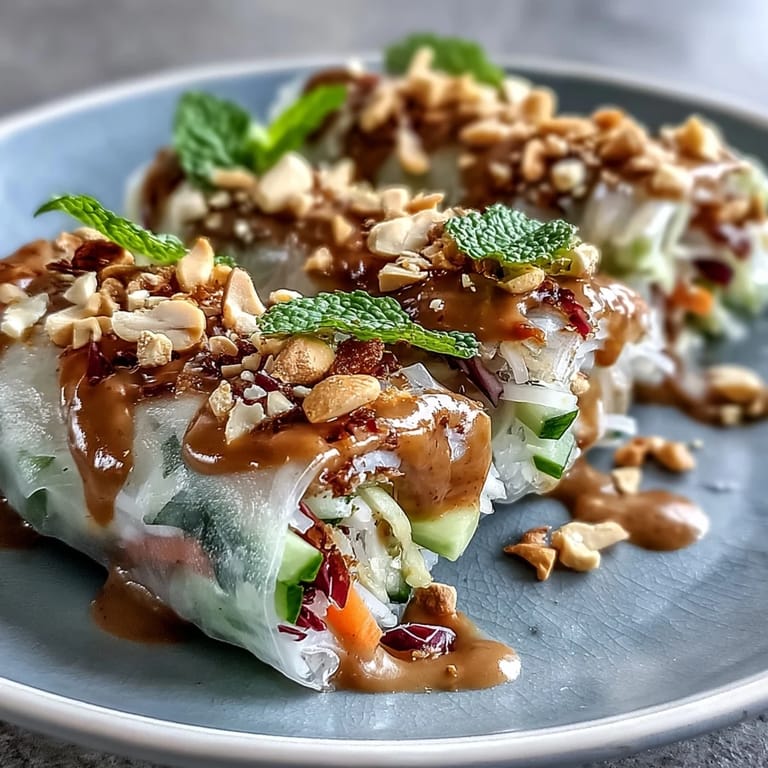
 There's this moment when you first taste one of these bowls—when the rice paper is still crispy, the sauce is still cool against the warm rice, and all these separate things suddenly work as one—that feels like the entire point of cooking. It's the kind of meal that doesn't show off, but stays with you.
Why This Bowl Works
Spring rolls are delicious but require a learning curve and a certain kind of commitment, and honestly, they fall apart if you're not careful. This bowl removes all that stress while keeping everything that made you fall in love with spring rolls in the first place. You get the textural contrast, the fresh vegetables, the creamy sauce, the herbs—just without the tension of trying to keep a wrapper intact while someone's watching.
Customization That Actually Matters
The beautiful part of this bowl is that it's a template rather than a rule. Swap the protein based on what you have or what you're craving, use different vegetables depending on the season and what your market has looking fresh. Some people add sliced avocado at the last second, others swear by pickled vegetables, and I once added some leftover roasted cauliflower and it somehow worked perfectly.
Sauce Strategy and Storage
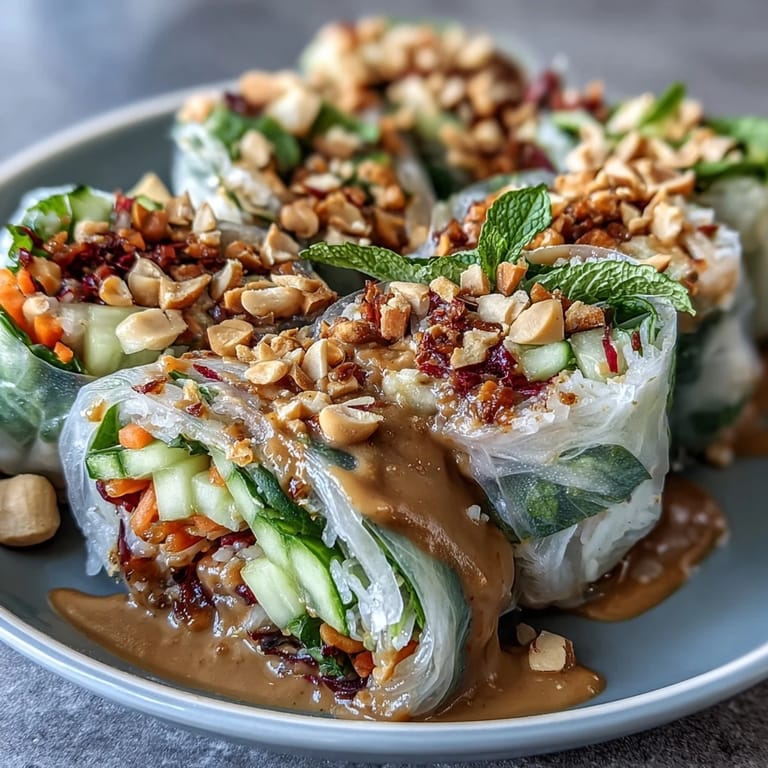
Make the peanut sauce up to a day ahead and store it in an airtight container in the refrigerator, though it'll thicken slightly as it cools and you might need to thin it with a splash of warm water before serving. The vegetables can be prepped and stored in containers separately, and the rice paper can be softened and cut several hours before you assemble, though if you're storing softened rice paper, keep it between layers of parchment so it doesn't stick to itself. The one thing you should never do ahead of time is assemble the full bowl, because rice paper respects crispy above all else.
- If your sauce breaks and looks separated when you reheat it, add a splash of water and whisk it hard until it comes back together.
- Keep lime wedges accessible at the table because someone will always want to squeeze extra, and it completely changes the flavor in a good way.
- Store leftover peanut sauce in the fridge and use it on everything from noodles to vegetable dips for the next week.
 Save to Pinterest
 Make this when you want something that tastes impressive but doesn't ask much of you, or when you want to prove to someone that food you assemble is just as valid as food you cook. Either way, they'll come back asking for it again.
Recipe FAQs
- → How do I soften the rice paper for the bowl?
Submerge each rice paper sheet in warm water for 5–10 seconds until just pliable, then arrange on a clean towel to drain before cutting.
- → What protein options work best in this dish?
Grilled chicken, firm tofu, or cooked shrimp all complement the fresh vegetables and peanut sauce well.
- → Can I make the peanut sauce spicier?
Yes, adjust the sriracha quantity to your preferred heat level, adding gradually for balanced flavor.
- → Are there suitable substitutions for peanut butter?
Almond or sunflower butter can be used as alternatives for those with peanut allergies.
- → How can I keep the dish vegan-friendly?
Use tofu as the protein and ensure all sauces like hoisin and soy are vegan-certified.