 Save to Pinterest
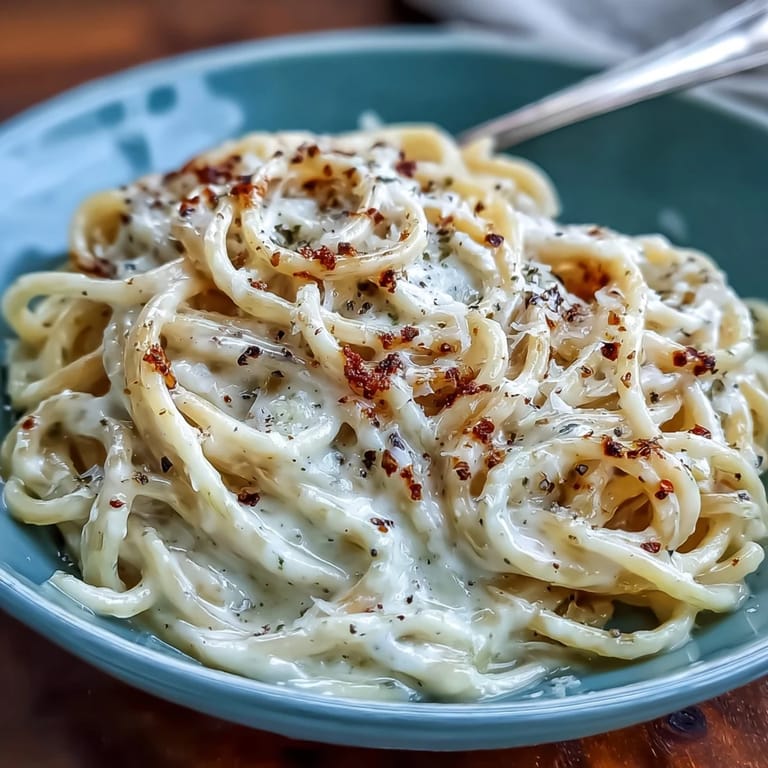
 The first time I watched someone make cacio e pepe, I thought they were bluffing. Three ingredients? No cream? Just cheese, pepper, and pasta water doing all the work? My friend Marco stood at the stove, tossing pasta like he was conducting an orchestra, and within minutes, the most velvety sauce I'd ever seen coated every strand. I've been chasing that same silky texture ever since, and now I finally understand why Romans have guarded this technique for generations.
I made this for my parents on a rainy Tuesday, and my dad, who usually drowns pasta in red sauce, went silent after the first bite. He looked up and said, this is it, isn't it? That is when I knew I had finally gotten the sauce right. The cheese had melted into the starchy water without clumping, the pepper was toasted just enough to release its oils, and the whole dish felt like a warm hug in a bowl. We finished every last strand, scraping the pan with bread my mom pulled from the freezer.
Ingredients
- Spaghetti or tonnarelli: Tonnarelli is the traditional choice because its square shape grips the sauce beautifully, but spaghetti works just as well and is easier to find.
- Pecorino Romano cheese: This is the soul of the dish, sharp and salty, and you must grate it finely yourself because pre shredded versions contain anti caking agents that ruin the emulsion.
- Whole black peppercorns: Toasting them whole before cracking releases aromatic oils that make the pepper taste floral and complex instead of just hot.
- Kosher salt: Use it generously in the pasta water because that salty, starchy liquid is what transforms grated cheese into silky sauce.
- Unsalted butter: Purists skip it, but a small knob adds insurance against a grainy sauce and makes everything taste a little richer.
Tired of Takeout? 🥡
Get 10 meals you can make faster than delivery arrives. Seriously.
One email. No spam. Unsubscribe anytime.
Instructions
- Boil the pasta with purpose:
- Bring a large pot of water to a rolling boil, salt it until it tastes like the sea, then add your pasta. Cook it one minute shy of al dente so it finishes in the sauce, and do not forget to scoop out at least one and a half cups of that cloudy, starchy water before you drain.
- Wake up the pepper:
- While the pasta bubbles away, toast your cracked peppercorns in a dry skillet over medium heat for about a minute. You will know they are ready when the kitchen smells warm and spicy, almost like the air above a wood fired grill.
- Build the peppery base:
- Pour one cup of the reserved pasta water into the skillet with the toasted pepper and lower the heat. This creates a flavorful liquid foundation that will help the cheese melt smoothly instead of seizing up.
- Marry the pasta and pepper water:
- Add the drained pasta directly to the skillet and toss it around, letting the noodles soak up that peppery goodness. The pasta will finish cooking here and start releasing even more starch into the mix.
- Create the creamy magic:
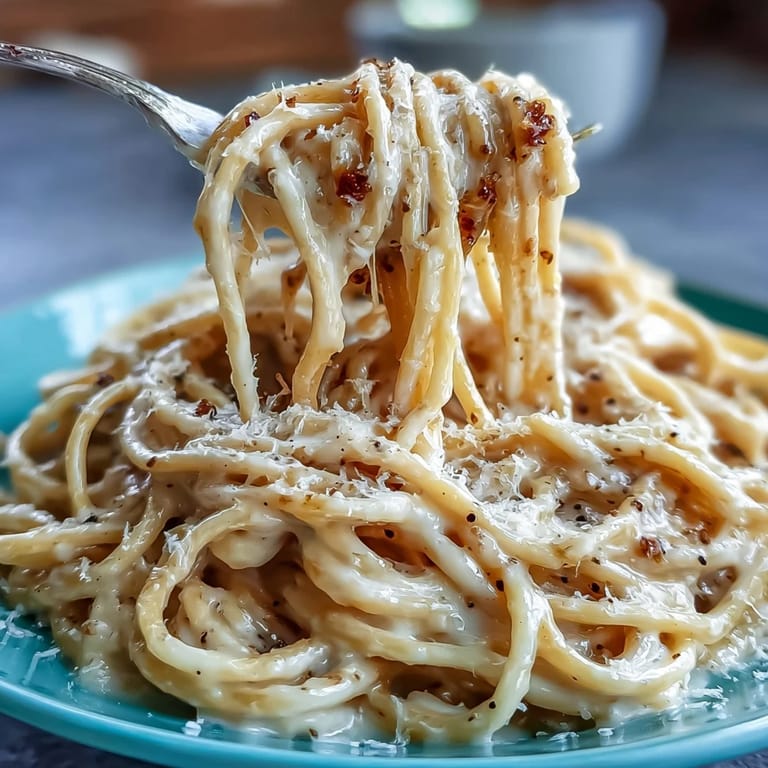
- Pull the skillet off the heat completely, then sprinkle in the Pecorino a handful at a time, tossing constantly with tongs. Add splashes of reserved pasta water as you go, working the cheese into a glossy, clinging sauce that coats every strand without clumping.
- Finish with butter if you like:
- Toss in the butter and stir until it melts into the sauce, adding one final touch of richness. This step is optional, but it helps forgive small mistakes and makes the texture even more luxurious.
- Serve it hot and proud:
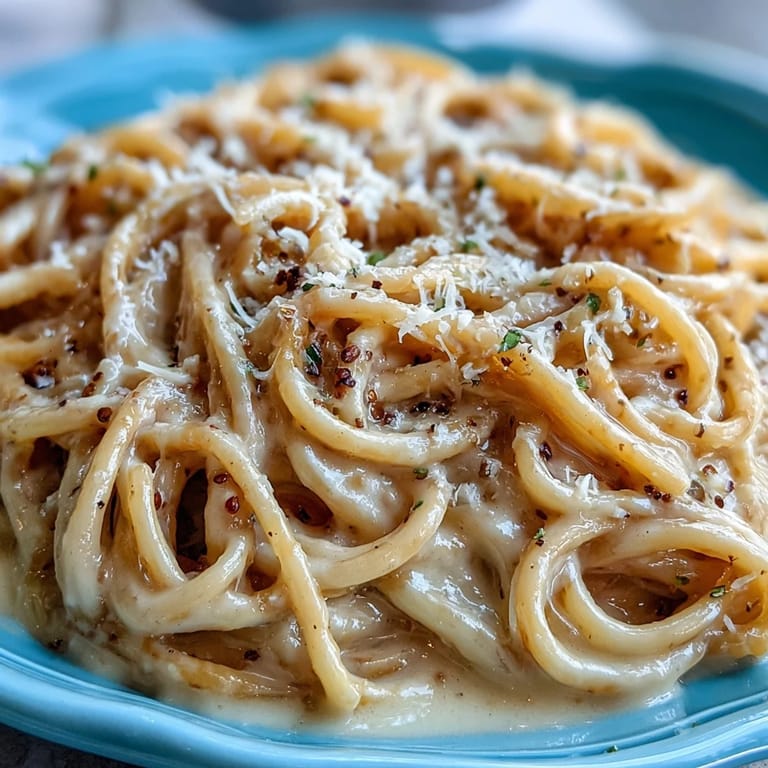
- Plate the pasta immediately, top with extra grated Pecorino and a generous crack of black pepper. Cacio e pepe waits for no one, so gather everyone to the table while it is still steaming.
 Save to Pinterest
 One night, I served this to a friend who had just come back from Rome, and I was terrified she would taste the difference. She twirled her fork, took a bite, closed her eyes, and said it tasted like the little trattoria near the Pantheon. I didn't tell her I had practiced it six times that week, but her smile made every failed batch worth it. This dish has a way of connecting you to a place you have never been, or reminding you of one you miss.
Choosing Your Pasta
Tonnarelli is the authentic Roman choice, a thick squared off spaghetti that grabs onto the sauce with authority, but good luck finding it outside of specialty Italian markets. I have made this with regular spaghetti, bucatini, and even linguine, and they all work beautifully as long as you cook them properly. The key is not the shape, it is the starch the pasta releases and how well it mingles with the cheese. If you do find tonnarelli, grab it, because the texture really does make you feel like you are sitting in a cobblestone piazza.
The Pecorino Problem
Not all Pecorino Romano is created equal, and I learned this the hard way after buying a rubbery wedge from the grocery store that refused to melt no matter how much I coaxed it. Look for Pecorino that is aged but not ancient, ivory to pale yellow in color, and sold in a block you grate yourself. The pre shredded stuff in bags is coated with cellulose to prevent clumping, which also prevents it from melting into anything resembling a sauce. Grate it fine, right before you cook, and keep it at room temperature so it incorporates more easily.
Troubleshooting and Tweaks
If your sauce breaks and turns grainy, do not panic, it has happened to everyone who has ever made this dish. Pull the pan off the heat immediately, add a splash of hot pasta water, and whisk like your dinner depends on it, because it does. Sometimes I add a tiny pat of butter to help bring it back together, and it usually works. The sauce can also be too thick or too thin, but pasta water fixes both problems, so keep that reserved cup nearby and adjust as you toss.
- If the sauce is too thick and sticky, add pasta water one tablespoon at a time until it loosens and coats the noodles.
- If it is too thin and soupy, let it sit off the heat for 30 seconds and toss again as the pasta absorbs liquid.
- Taste before serving and add a pinch more cheese or pepper if it feels flat, because this dish lives and dies by bold flavor.
 Save to Pinterest
 This dish taught me that the best cooking is not about having a long ingredient list, it is about respecting the few things you do use. Every time I make cacio e pepe, I am reminded that simplicity is the hardest thing to master, and also the most rewarding.
Recipe FAQs
- → What type of pasta works best for Cacio e Pepe?
Tonnarelli is the traditional choice, but spaghetti works excellently and is more widely available. The key is cooking it just al dente to maintain texture.
- → Why is my cheese clumping instead of creating a creamy sauce?
Remove the pan from heat before adding cheese, and add it gradually while tossing constantly. Use freshly grated Pecorino Romano and ensure your pasta water is hot but not boiling when mixing.
- → Can I substitute Parmesan for Pecorino Romano?
While Pecorino Romano is traditional and provides the characteristic sharp, salty flavor, you can use a blend of both cheeses. Avoid using only Parmesan as it lacks the bold taste that defines this dish.
- → How much pasta water should I reserve?
Reserve at least 1½ cups of starchy pasta water. This liquid is essential for creating the creamy emulsion and adjusting sauce consistency to your preference.
- → Is butter authentic in Cacio e Pepe?
Traditional versions use only cheese, pepper, and pasta water. Butter adds extra creaminess but is optional. Purists prefer the classic three-ingredient approach.
- → What wine pairs well with Cacio e Pepe?
A crisp Italian white wine like Frascati or Verdicchio complements the rich, peppery flavors beautifully. The acidity cuts through the cheese's richness.