 Save to Pinterest
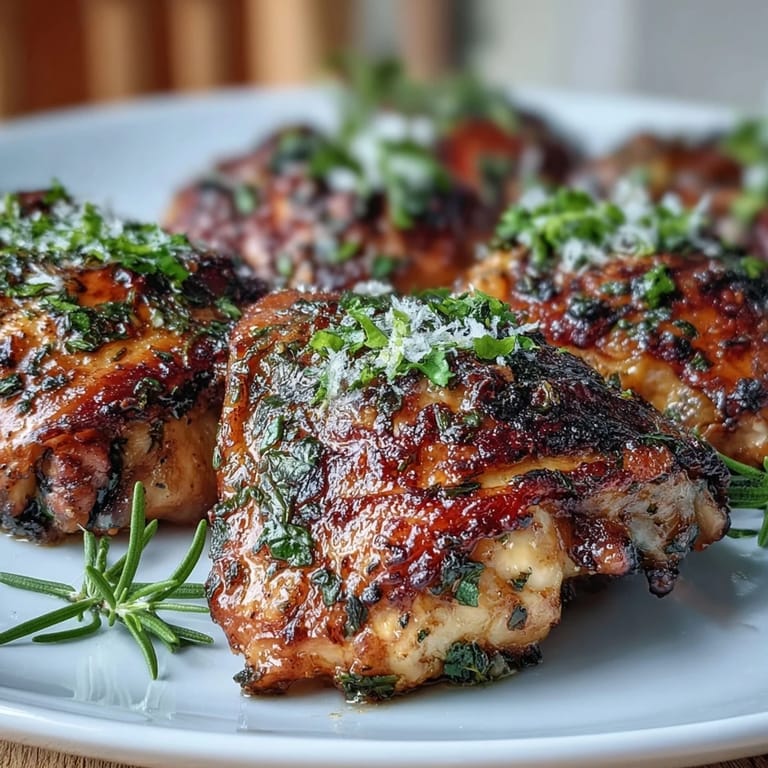
 My neighbor stopped by one April afternoon with a basket of Meyer lemons from her tree, and I suddenly understood why spring entertaining felt different from winter cooking. That evening, I roasted a chicken with those lemons and fresh herbs from the garden, and the aroma that filled my kitchen made me pause mid-chop—this was the kind of dish that turns a regular dinner into something people remember. The golden skin, the tender potatoes, the way the lemon brightened everything without overwhelming it—it clicked immediately as the recipe I'd make again and again.
I made this for my book club last spring, and three women asked for the recipe before they'd even finished eating. One of them admitted she'd been intimidated by whole roasted chickens until that night, and watching her confidence grow as she carved it at home made me realize this dish has a quiet way of making cooks feel capable. It's become her go-to for impressing guests, which might be my favorite kind of recipe legacy.
Ingredients
- 1 whole chicken (about 4 lbs / 1.8 kg): Look for one with good color and no bruising; let it sit at room temperature for 15 minutes before cooking so it roasts evenly.
- 3 tbsp olive oil: This becomes your marinade base and carries all those herb flavors right into the meat and skin.
- 2 lemons (1 zested and juiced, 1 sliced): The zest gives brightness without excess acid, while the juice balances the richness and the slices inside perfume the cavity.
- 4 cloves garlic, minced: Mince it fine so it distributes evenly and won't burn in the high heat.
- 2 tbsp fresh rosemary, finely chopped: Fresh makes all the difference here—dried rosemary can turn bitter at 425°F, so don't make that trade.
- 2 tbsp fresh thyme, finely chopped: These delicate leaves add an earthy note that rosemary alone can't deliver.
- 1 tbsp fresh parsley, finely chopped: It's mild and fresh, balancing the stronger herbs without competing.
- 1½ tsp sea salt and 1 tsp freshly ground black pepper: Seasoning inside and out is non-negotiable; it's what separates a good roasted chicken from a memorable one.
- 2 lbs (900 g) baby potatoes, halved: Halving them lets them get golden and creamy inside while soaking up every drop of chicken fat.
Tired of Takeout? 🥡
Get 10 meals you can make faster than delivery arrives. Seriously.
One email. No spam. Unsubscribe anytime.
Instructions
- Get your chicken ready:
- Pat it completely dry with paper towels—any moisture on the skin prevents browning. Place it in your roasting pan and let your eyes adjust to the weight and shape of it; this small pause centers you before the real work begins.
- Build your herb paste:
- Whisk together the oil, lemon zest, lemon juice, garlic, rosemary, thyme, and parsley in a small bowl until it looks like a fragrant pesto. Taste it with your finger; it should taste bold and herbaceous, not timid.
- Massage the marinade into every crevice:
- This is where the magic happens—lift the skin gently and rub the paste underneath so it clings to the meat itself. Don't forget the cavity; slip those lemon slices inside and let them steam the interior.
- Prep your potatoes and nestle them around the bird:
- Toss the halved potatoes with olive oil, salt, and pepper, then arrange them around the chicken so they'll catch all the rendered fat. The potatoes should feel snug but not crowded.
- Roast at high heat:
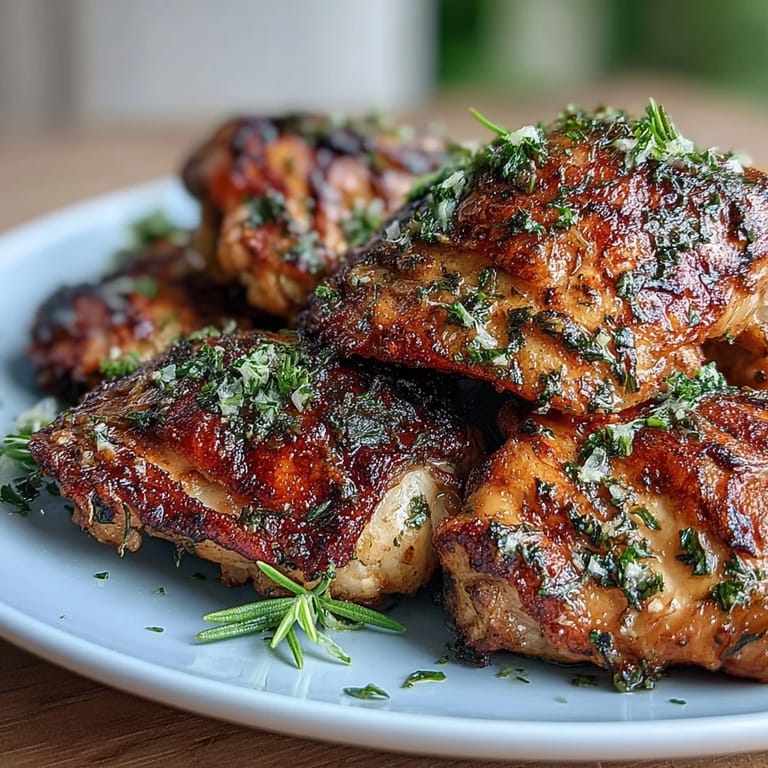
- At 425°F, your chicken needs about 1 hour and 10 to 15 minutes—insert a meat thermometer into the thickest part of the thigh without touching bone, and you're looking for 165°F. The skin should be mahogany-dark and the potatoes golden; if the potatoes lag, remove the chicken and broil them for 5 to 7 minutes while the chicken rests.
- Rest before carving:
- Let the chicken sit for 10 minutes untouched—this lets the juices redistribute instead of running all over your cutting board.
 Save to Pinterest
 Years ago, my daughter came home from school and said the house smelled like a fancy restaurant, and I realized in that moment that roasting a whole chicken wasn't about impressing people—it was about creating an experience the moment you walk through the door. That smell, the way it makes your kitchen feel warm and intentional, is half the gift of this dish.
Why Fresh Herbs Matter More Than You Think
The first time I tried this with dried herbs, I thought the recipe had failed me, but the problem was entirely mine. Fresh rosemary and thyme have volatile oils that deliver brightness and complexity; dried versions turn bitter and muted at high temperatures. If you must use dried herbs, cut the quantity by two-thirds and stir them into the oil gently—they need gentler treatment than their fresh cousins. But honestly, once you taste what fresh herbs do to this chicken, you'll never go back.
Timing and Temperature Are Everything
I've learned that a meat thermometer isn't optional if you want consistent results—it's the difference between guessing and knowing. Insert it into the thickest part of the thigh without touching bone, and when it reads 165°F, you're done; the carry-over cooking will take it a degree or two higher. Resting the chicken for those final 10 minutes isn't wasted time either; it's when the real transformation happens inside the meat, reabsorbing juices so every bite stays tender and juicy instead of drying out on your fork.
The Potato Strategy and Finishing Touches
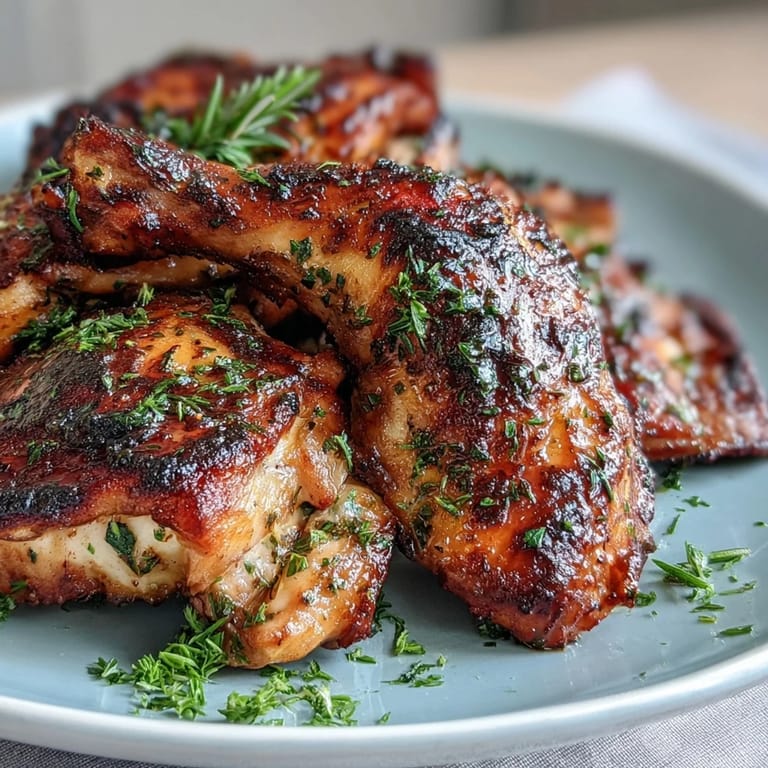
Baby potatoes are tender enough to roast alongside the chicken without needing a head start, but you want to keep them moving so they brown evenly instead of steaming. I've found that shaking the pan halfway through helps them catch heat on different sides, and if they're still pale when the chicken hits temperature, it's worth the 5 minutes under the broiler while your bird rests. A shower of fresh parsley right before serving isn't just garnish—it adds a fresh green note that brightens the whole plate and reminds you this dish is about spring, light, and the joy of eating something golden and warm.
- If your roasting pan is crowded, halve the potatoes lengthwise so they nestle better and brown more evenly.
- Save those pan drippings for gravy or to dress a simple salad the next day—liquid gold shouldn't go to waste.
- This dish tastes even better the next day when the flavors have had time to marry together, so never hesitate to make it ahead.
 Save to Pinterest
 This is the recipe I reach for when I want to cook something that feels special without requiring fussy techniques or constant attention. It's become my quiet favorite, the one I trust to deliver something beautiful whether I'm cooking for family or guests.
Recipe FAQs
- → How do I ensure the chicken stays juicy during roasting?
Marinating the chicken with lemon, herbs, and olive oil helps lock in moisture. Roasting at a high temperature initially and then finishing at a lower temp prevents drying out.
- → Can I use a different type of potato?
Yes, fingerlings or small Yukon Gold potatoes work well as alternatives to baby potatoes, providing similar texture and flavor.
- → What is the best way to know when the chicken is fully cooked?
Use a meat thermometer inserted into the thickest part of the thigh; a safe internal temperature is 165°F (74°C).
- → How do the lemon and herbs affect the flavor?
The lemon adds bright acidity that balances the richness of the chicken, while rosemary, thyme, and parsley provide earthy, aromatic notes.
- → How can I achieve crispier potatoes?
After roasting alongside the chicken, remove the bird and broil the potatoes briefly to develop a golden, crispy exterior.