 Save to Pinterest
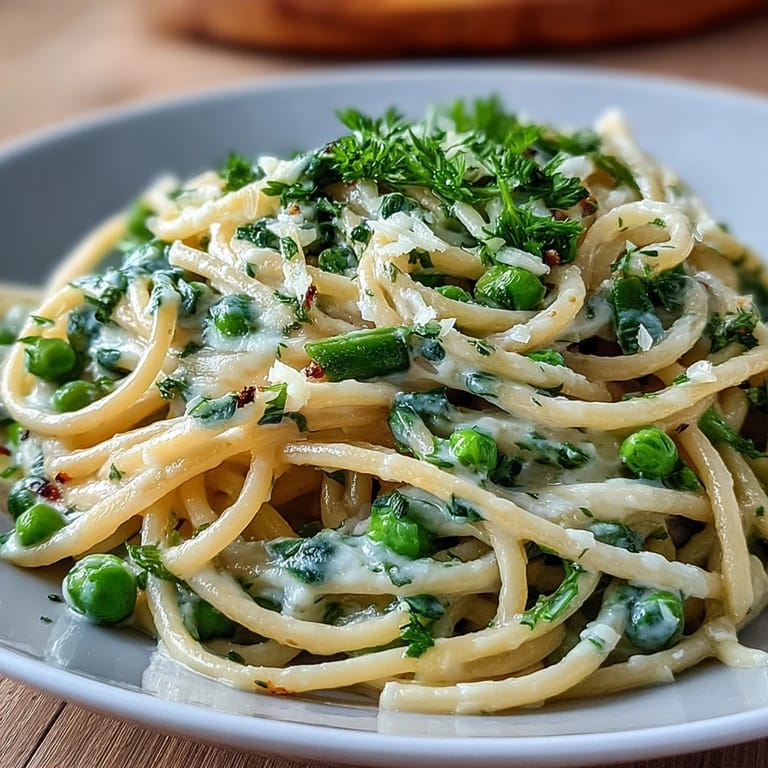
 There's something about the smell of butter and lemon hitting a hot skillet that makes you pause whatever you're doing and just breathe it in. I discovered this pasta on a Wednesday evening when my fridge was looking pretty sparse—just some butter, frozen peas, a lemon, and pasta. What emerged was so bright and buttery that my partner actually asked for seconds, which never happens with my weeknight dinners. It's become the dish I make when I want to feel like I'm cooking something special without actually spending much time on it.
I made this for my mom one Sunday when she was visiting and mentioned wanting something light but not sad—you know that impossible request. She sat at the counter watching me work, and when that first bite hit her mouth, she closed her eyes like she was tasting something from her own childhood. Turns out she made something similar decades ago and had completely forgotten about it. Now she texts me asking me to make it whenever she's coming over.
Ingredients
- Linguine or spaghetti, 12 oz: Use whatever pasta shape you have—the thinner strands let the sauce cling beautifully, but honestly, any shape works because the sauce is so silky it coats everything equally.
- Fresh or frozen green peas, 1 cup: Fresh peas in season are wonderful, but frozen ones are actually better here because they're picked at peak ripeness and don't fall apart when heated.
- Garlic, 2 cloves minced: Mince it finely so it dissolves into the butter rather than leaving chewy bits—this is where the flavor base lives.
- Lemon zest, 1 lemon: Zest before you juice, trust me, because once that lemon is halved you'll regret it; a microplane makes this effortless.
- Lemon juice, 1 large lemon: Fresh lemon juice is non-negotiable here—bottled tastes metallic and kills the whole delicate balance.
- Fresh parsley, 2 tbsp chopped: Add this at the very end to keep the flavor bright and green rather than cooking it down into something dull.
- Unsalted butter, 4 tbsp: Good butter makes a difference, and unsalted lets you control the salt level so the sauce doesn't become cloying.
- Grated Parmesan cheese, 1/2 cup plus more: Grate it fresh if you can—pre-grated has cellulose that makes the sauce grainy instead of glossy.
- Salt and black pepper: Season in stages, especially the pasta water, because that's where most of your seasoning actually comes from.
Tired of Takeout? 🥡
Get 10 meals you can make faster than delivery arrives. Seriously.
One email. No spam. Unsubscribe anytime.
Instructions
- Get your water boiling and pasta going:
- Fill a large pot with water, salt it generously until it tastes like the sea, and let it come to a rolling boil. This is your only chance to season the pasta itself, so don't skimp. Drop in your pasta and cook according to the package, but start checking a minute before it claims to be done because al dente is everything here.
- Start your sauce while pasta cooks:
- In a large skillet, melt the butter over medium heat and listen for that gentle sizzle. Add your minced garlic and let it wake up for about a minute—you want fragrant, not brown, because brown butter is bitter and defeats the whole purpose.
- Coax the peas to tenderness:
- Stir the peas into the garlicky butter and cook them for 2 to 3 minutes, letting them heat through if frozen or soften if fresh. They should be tender but still have a little bit of structure, not mushy.
- Brighten everything with lemon:
- Add your zest and juice to the skillet and stir it all together, letting the lemon juice and butter emulsify slightly. This is where the magic happens—the sauce suddenly smells like something you'd order at a fancy restaurant.
- Bring it all together:
- Drain your pasta but save that starchy water first, then add the pasta to the skillet along with about half a cup of the reserved water. Toss everything together over medium-low heat, letting the starch in the water help create that silky sauce.
- Make it luxurious with cheese:
- Sprinkle in your Parmesan, salt, and pepper, then keep tossing gently until the cheese melts and you have a glossy, creamy sauce. If it looks too thick, add a splash more pasta water; if it looks too thin, let it sit for a minute and the starch will catch up.
- Finish with freshness and serve:
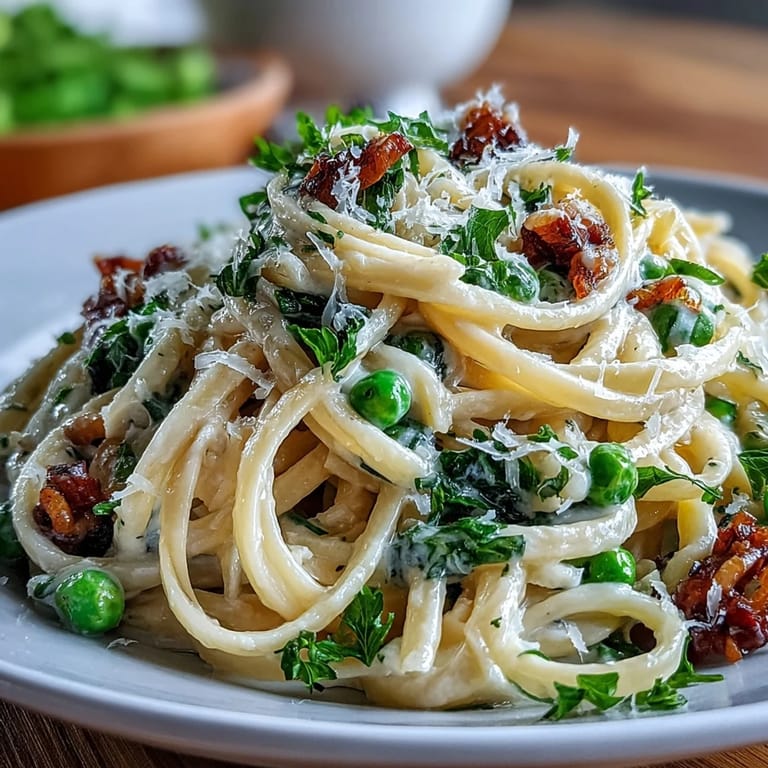
- Pull it off the heat and stir in your parsley so it stays bright green. Taste it and adjust your seasoning, then serve immediately with extra Parmesan and a grind of pepper on top.
 Save to Pinterest
 The last time I made this, a friend who's usually very quiet at dinner actually asked for the recipe before dessert even arrived. She said it was the first time she'd realized that simple food doesn't have to mean boring, and somehow that comment stuck with me more than any compliment about fancier dishes I've made. This pasta became the thing I point to when someone says they don't know how to cook—it's proof that technique and quality ingredients matter far more than complexity.
Why This Dish Works Every Single Time
The architecture of this dish is so smart that it almost teaches you something about cooking just by making it. You're using the starch from the pasta water as an emulsifier, the acidity from the lemon to balance the richness of the butter, and the cheese to add body and umami without heaviness. Every element serves a purpose, which is why it's impossible to mess up as long as you don't overcook the pasta or let the garlic brown.
Seasonal Variations That Keep It Fresh
While peas are the classic here, I've played around with other vegetables depending on what's in season and what I'm craving. In summer, halved cherry tomatoes stirred in at the end add a burst of color and sweetness, though you skip the cooking step. In fall, I've added sautéed mushrooms or even a handful of roasted asparagus that changes the whole personality of the dish without losing that bright lemon character.
Making It Heartier Without Losing the Magic
If you want this to feel more substantial, a handful of crispy breadcrumbs on top adds texture, or you can stir in some white beans right before serving without making it feel heavy. My favorite upgrade is to sear some shrimp in a separate pan with a pinch of red pepper flakes, then toss them in at the end so they stay tender and get coated in that lemon-butter sauce. Some people add grilled chicken, and while that's delicious, I find it changes the vibe from light dinner to something more traditional, which is fine but loses some of the dish's original charm.
- Fresh herbs like basil or mint layered on top at the very end add complexity without extra cooking.
- A small pour of white wine into the sauce while the butter and garlic cook adds depth and sophistication.
- Toasted pine nuts sprinkled on top give a little crunch that makes people think you spent way more time on this than you did.
 Save to Pinterest
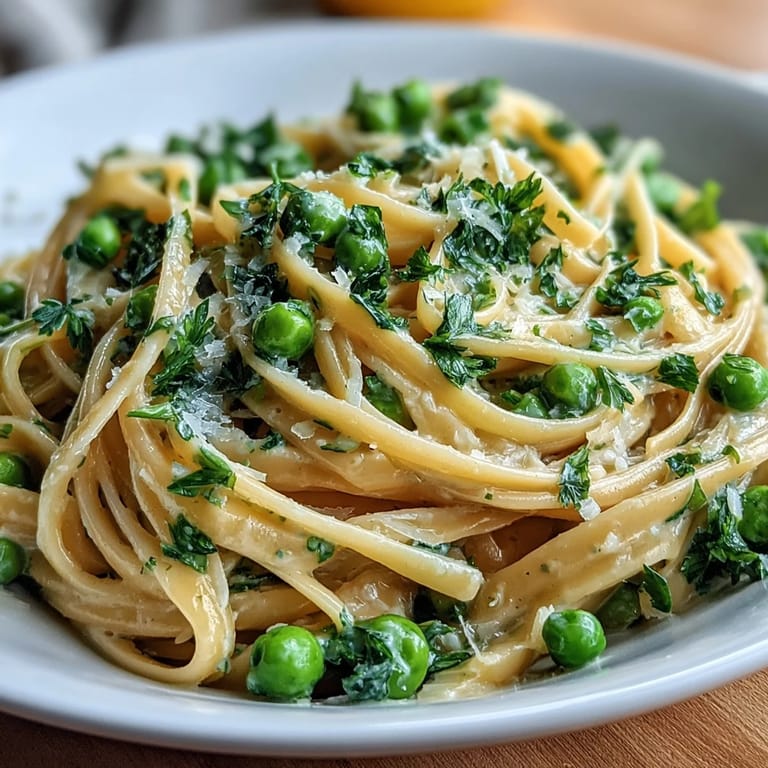
 This is the pasta I return to when I want to remind myself why I love cooking in the first place. It asks very little but delivers something that tastes like you care.
Recipe FAQs
- → What type of pasta works best for this dish?
Linguine or spaghetti are ideal as they hold the lemon-butter sauce well and provide a smooth texture.
- → Can I use frozen peas instead of fresh?
Yes, frozen peas can be used; just cook them until heated through for best texture and flavor.
- → How can I make the sauce creamier?
Adding reserved pasta water gradually while tossing the pasta helps achieve a silky, creamy sauce consistency.
- → What can I add for extra protein?
Sautéed shrimp or grilled chicken complement the flavors and add protein to this dish.
- → What herbs enhance this pasta dish?
Fresh parsley adds brightness, while a hint of black pepper balances the lemon and butter flavors.