 Save to Pinterest
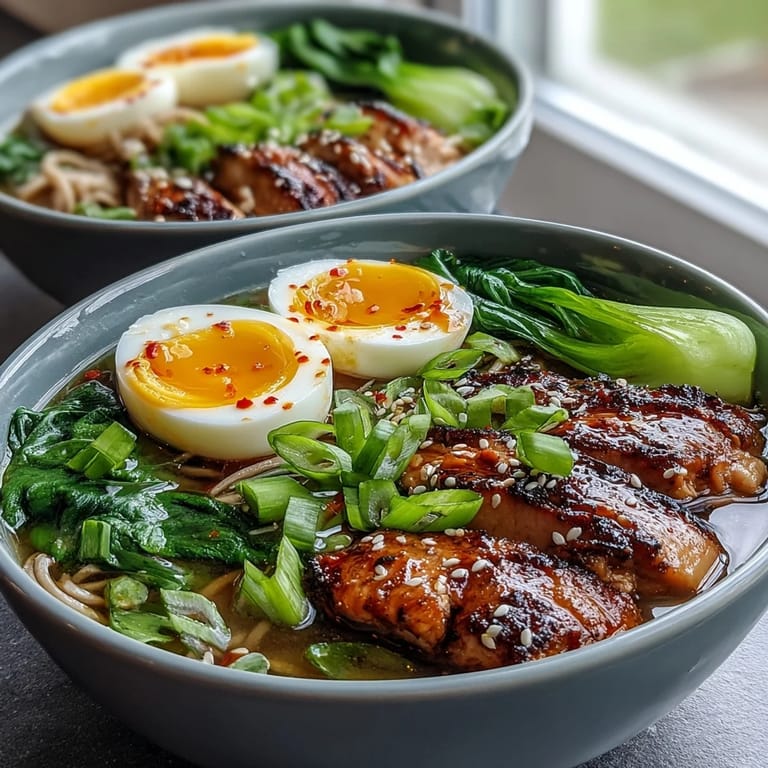
 My kitchen smelled like toasted sesame oil the afternoon I first assembled these miso chicken noodle bowls, and honestly, it felt like a small victory. A friend had raved about a similar dish from a restaurant across town, but after ordering it twice and spending way too much, I decided to recreate it at home. What started as an experiment in umami flavors turned into the kind of meal I now make whenever I need something nourishing but also deeply satisfying. The combination of tender chicken, silky broth, and those chewy noodles just works.
I made this for my partner on a cold Tuesday night when we both needed comfort food but also wanted to feel good about what we were eating. Watching him taste that first spoonful and then immediately go back for more told me everything. Now it's become one of those dishes we crave without warning, the kind that tastes fancy enough for guests but simple enough that I don't stress making it on a weeknight.
Ingredients
- Boneless, skinless chicken thighs or breasts (1 pound): Thighs stay juicier if you're worried about drying them out, but breasts work fine if that's what you have on hand.
- White miso paste (2 tablespoons total): Don't skip this or substitute it casually—it's the soul of the broth and the marinade, adding a salty, funky depth that no single ingredient can replace.
- Low-sodium soy sauce (1 tablespoon): The saltiness balances the miso, and low-sodium lets you control the final seasoning.
- Rice vinegar (1 tablespoon): A tiny bit of acid keeps everything from tasting heavy.
- Honey or maple syrup (1 tablespoon): Just enough sweetness to balance the umami and miso.
- Fresh ginger and garlic (1 teaspoon grated ginger, 1 minced clove): These bring brightness and bite to the marinade.
- Toasted sesame oil (1 teaspoon for marinade, plus a few drops for noodles): Buy the good stuff—cheap sesame oil tastes musty and will disappoint you.
- Soba noodles or whole wheat spaghetti (6 ounces): Soba has a nutty flavor that pairs beautifully with the broth, but any chewy noodle works.
- Low-sodium chicken broth (4 cups) and water (1 cup): Homemade broth makes a difference, but quality store-bought won't let you down.
- Shiitake mushrooms (1 cup sliced): Their umami flavor echoes the miso, making every spoonful more complex.
- Carrot (1 medium, julienned): The sweetness of cooked carrot balances the savory broth.
- Baby bok choy (2 cups, trimmed and halved): It stays slightly crisp in the hot broth, adding textural contrast.
- Snow peas (½ cup): Optional but they add a fresh crunch I've learned not to skip.
- Baby spinach or kale (2 cups): Wilts right into the broth, so no extra cooking needed.
- Soft-boiled eggs (2, halved): The runny yolk creates a creamy richness when stirred into the broth.
- Scallions, sesame seeds, cilantro or parsley, nori, and chili oil: These toppings are where your personality comes through—use what you love.
Tired of Takeout? 🥡
Get 10 meals you can make faster than delivery arrives. Seriously.
One email. No spam. Unsubscribe anytime.
Instructions
- Make the Marinade:
- In a shallow bowl, whisk together miso paste, soy sauce, rice vinegar, honey, ginger, garlic, and sesame oil until the miso dissolves completely and you have a smooth paste. If lumps resist you, push them against the side of the bowl with the back of a spoon.
- Marinate the Chicken:
- Add your chicken to the bowl and turn it gently to coat both sides, making sure the marinade gets into any crevices. Cover and refrigerate for at least 30 minutes, though overnight is even better.
- Cook the Noodles:
- Bring a large pot of water to a rolling boil and cook soba noodles according to the package (usually 4 to 5 minutes). Taste one to make sure it's tender but still has a slight chew, then drain and rinse under cold running water to stop the cooking. Toss with a few drops of sesame oil so they don't clump together.
- Sear the Chicken:
- While noodles cook, heat a grill pan or skillet over medium-high heat until it's hot enough that a drop of water sizzles on contact. Remove the chicken from the marinade (scrape off excess so it doesn't burn) and cook for 4 to 5 minutes per side, depending on thickness, until the internal temperature hits 165°F (74°C). The surface should develop a light golden crust.
- Rest the Chicken:
- Transfer the chicken to a cutting board and let it sit for 5 minutes—this allows the juices to redistribute so every bite stays tender.
- Build the Broth:
- In a clean soup pot, bring chicken broth and water to a gentle simmer. Whisk in the remaining 1 tablespoon of miso paste, dissolving it completely so there are no grainy bits floating around.
- Add the Vegetables:
- Add mushrooms, carrots, bok choy, and snow peas to the simmering broth and cook for 3 to 4 minutes until they're tender but still have some personality. Then stir in the spinach or kale and remove the pot from heat immediately so the greens stay bright.
- Slice the Chicken:
- Once it's rested, slice the chicken into thin strips about ¼-inch thick. This makes it easier to eat with noodles and lets the marinade flavors shine through.
- Assemble the Bowls:
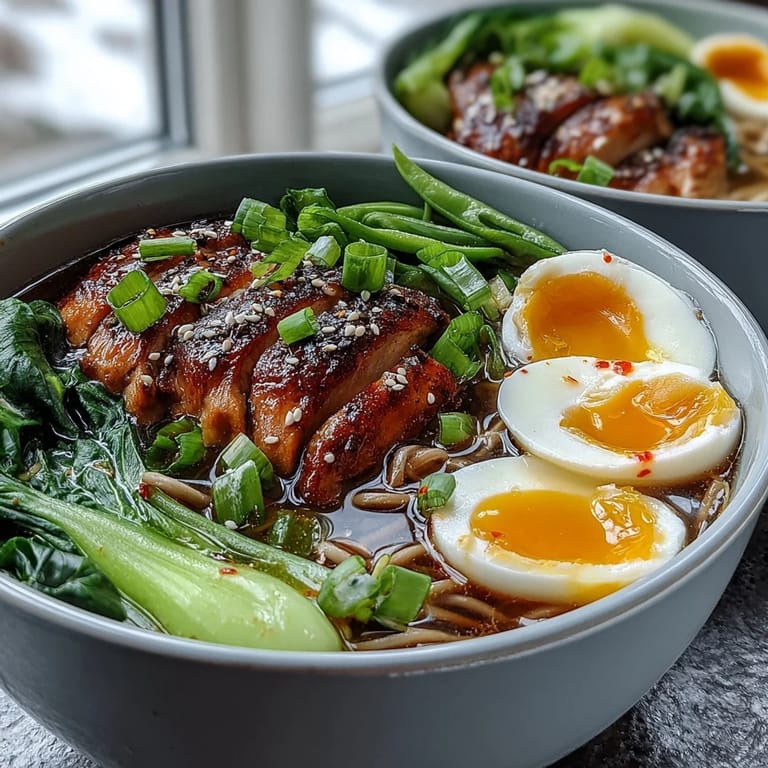
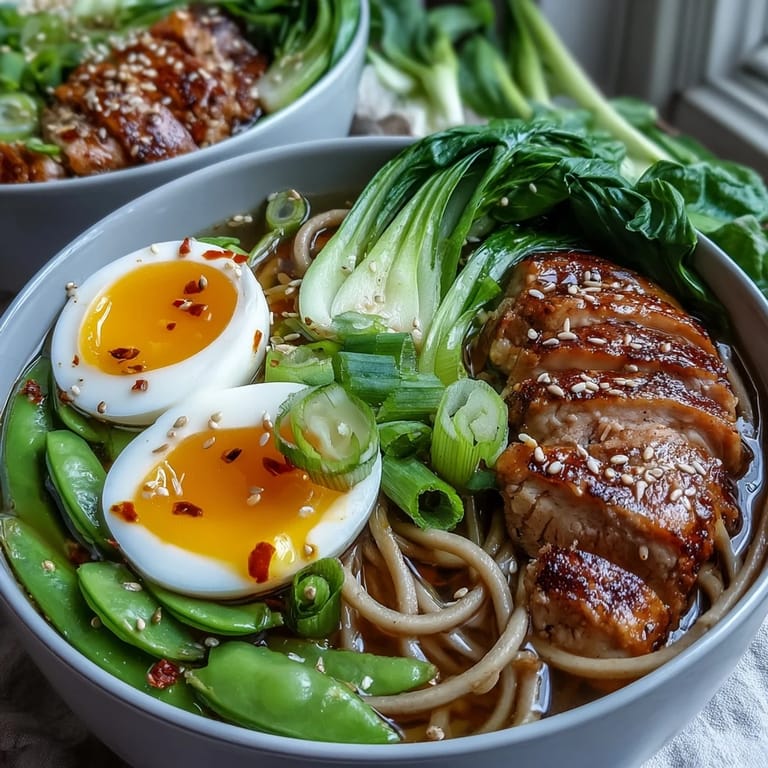
- Divide the cooked noodles between two bowls, then arrange the sliced chicken on top. Ladle the hot broth and vegetables over everything, making sure each bowl gets mushrooms, vegetables, and plenty of that golden broth.
- Top and Serve:
- Crown each bowl with soft-boiled egg halves, scallions, sesame seeds, cilantro, and nori strips if you're using them. Drizzle with chili oil or Sriracha if you like heat, and serve immediately while everything is still steaming.
 Save to Pinterest
 There was a moment when my roommate from culinary school called to check in, and I had her come over for dinner. She took one bite and said, "You nailed the balance," and I realized this dish had become something I could make without thinking too hard, but with enough intention that it still felt special. That's when I knew it had earned a permanent spot in my rotation.
The Magic of Miso Paste
Miso is one of those ingredients that seems intimidating until you understand what it actually does. It's fermented soybeans and salt that have been aging for months or years, creating this complex, salty, slightly sweet, deeply savory flavor that you simply cannot fake with anything else. When you taste a broth made with miso versus one without, the difference is immediate and kind of shocking.
Why Soft-Boiled Eggs Matter
I used to make these bowls without the egg, thinking it was optional, until someone insisted I try it their way. The moment that runny yolk breaks into the hot broth and creates this creamy richness throughout the bowl, everything changes. It adds protein, fat, and a luxurious texture that makes you feel like you're eating something far more indulgent than it actually is.
Customizing Your Bowl
One of the best parts of this recipe is how forgiving it is when you need to improvise. I've made it with whatever vegetables were in my fridge, swapped in different proteins, and even used leftover rotisserie chicken on nights when I didn't have time to marinate and cook chicken from scratch. The structure stays solid even when the details change.
- Vegetarians can use extra-firm tofu pressed and marinated the same way, or add chickpeas for protein.
- If you can't find soba noodles, whole wheat spaghetti, ramen, or even rice noodles work beautifully in the broth.
- Keep the miso broth base consistent and let everything else flex based on what you have and what sounds good that day.
 Save to Pinterest
 This bowl has become the meal I make when I want to feel like I'm taking care of myself without feeling like I'm missing out on flavor. It's nourishing, warm, and tastes like someone who loves you spent time in the kitchen.
Recipe FAQs
- → Can I make this dish vegetarian?
Substitute extra-firm tofu for the chicken and use vegetable broth instead of chicken broth. Press the tofu before marinating to help it absorb the miso flavors better, and pan-fry until golden for added texture.
- → What noodles work best for this bowl?
Soba noodles made from buckwheat are traditional and provide a nutty flavor, but whole wheat spaghetti, rice noodles, or even udon work beautifully. Just adjust cooking time according to package instructions.
- → How long should I marinate the chicken?
Thirty minutes minimum provides good flavor absorption, but marinating for 2-8 hours yields deeper taste. Avoid exceeding 8 hours as the high sodium content in miso can make the texture overly salty and firm.
- → Can I prepare components ahead of time?
Marinate chicken up to 8 hours in advance. The broth can be made 2 days ahead and stored separately. Cook noodles just before serving and store broth, toppings, and noodles in separate containers to maintain optimal texture.
- → Is this dish gluten-free?
Traditional soba noodles contain wheat, so look for 100% buckwheat soba or use gluten-free alternatives. Substitute tamari for soy sauce and verify your miso paste is certified gluten-free, as some varieties contain barley or wheat.
- → How do I achieve the perfect soft-boiled egg?
Bring water to a boil, gently lower room-temperature eggs into the pot, and cook for exactly 6-7 minutes. Immediately transfer to an ice bath for 2 minutes to stop cooking. Peel carefully when ready to serve.