 Save to Pinterest
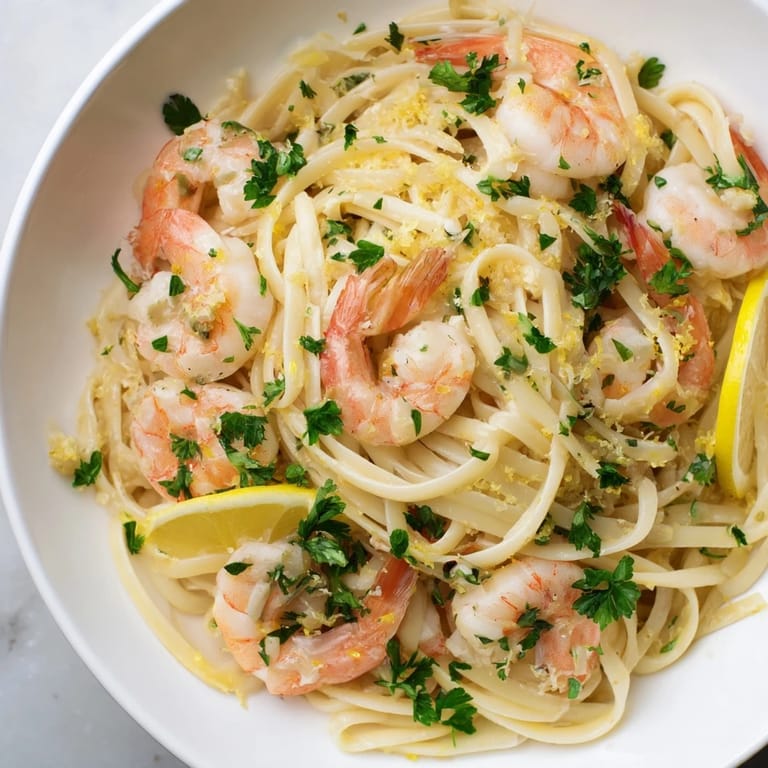
 The smell of garlic hitting hot butter is one of those kitchen sounds that makes everyone wander into the room asking what's for dinner. I learned to make this dish on a Tuesday night when I had exactly twenty minutes before a friend arrived, and it's been my go-to ever since. The shrimp cook so fast you barely have time to set the table. There's something about twirling linguine coated in that glossy, lemony sauce that feels fancy without any of the fuss. It's proof that the best meals don't need hours, just good ingredients and a hot pan.
I made this for my sister once after she had a rough week, and she ate two servings without saying a word until her plate was empty. That's when I knew it was a keeper. The lemon brightens everything just enough to keep it from feeling heavy, and the parsley adds a fresh note that makes you want another forkful. It's become the dish I bring when someone needs comfort but doesn't want anything too rich. There's a lightness to it, even with all that butter.
Ingredients
- Large shrimp, peeled and deveined: Look for shrimp that smell like the ocean, not fishy; pat them completely dry so they sear instead of steam.
- Linguine pasta: The flat shape holds onto the sauce better than round spaghetti, and cooking it just until al dente means it won't get mushy when you toss it in the skillet.
- Unsalted butter: Using unsalted lets you control the seasoning, and it creates a silky base that olive oil alone can't match.
- Extra virgin olive oil: Mixing it with butter raises the smoke point and adds a fruity note that balances the richness.
- Garlic, minced: Fresh garlic is non-negotiable here; the jarred stuff won't give you that sweet, mellow fragrance when it hits the heat.
- Crushed red pepper flakes: Just a pinch adds warmth without making it spicy, but skip it if you're cooking for kids.
- Lemon zest and juice: The zest brings brightness without acidity, and the juice cuts through the butter to keep everything lively.
- Fresh parsley, chopped: It's not just a garnish; the grassy freshness wakes up the whole dish at the end.
- Salt and black pepper: Season the shrimp before they hit the pan, and taste the pasta at the end to adjust.
- Parmesan cheese: Totally optional, but a little grated on top adds a nutty, salty finish that some people love.
Tired of Takeout? 🥡
Get 10 meals you can make faster than delivery arrives. Seriously.
One email. No spam. Unsubscribe anytime.
Instructions
- Boil the Pasta:
- Bring a large pot of salted water to a rolling boil and cook the linguine until it's just tender with a slight bite. Before draining, scoop out half a cup of that starchy pasta water; it's liquid gold for bringing the sauce together later.
- Prep the Shrimp:
- While the pasta bubbles away, pat the shrimp completely dry with paper towels and season them lightly with salt and pepper. Dry shrimp sear beautifully instead of steaming in their own moisture.
- Start the Sauce:
- Melt the butter with olive oil in a large skillet over medium heat, then add the minced garlic and red pepper flakes. Let it sizzle for about a minute until your kitchen smells amazing, but pull it off the heat before the garlic turns brown and bitter.
- Cook the Shrimp:
- Lay the shrimp in a single layer in the skillet and let them cook undisturbed for two minutes per side until they turn pink and opaque. Overcrowding the pan will make them soggy, so work in batches if needed.
- Add Lemon and Pasta:
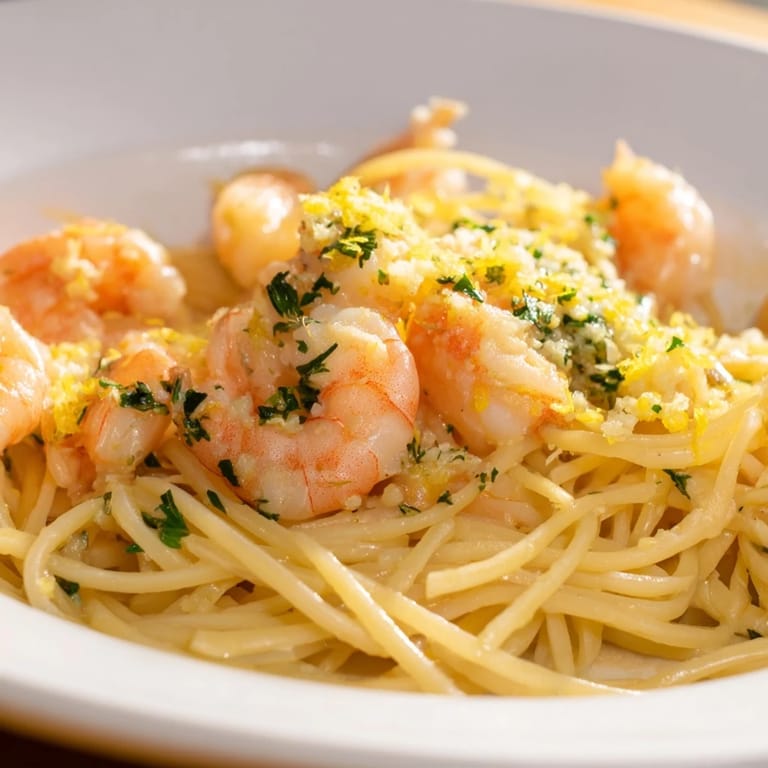
- Stir in the lemon zest and juice, then add the drained linguine and toss everything together with tongs. If the sauce feels tight, splash in some of that reserved pasta water a little at a time until it coats the noodles in a glossy sheen.
- Finish and Serve:
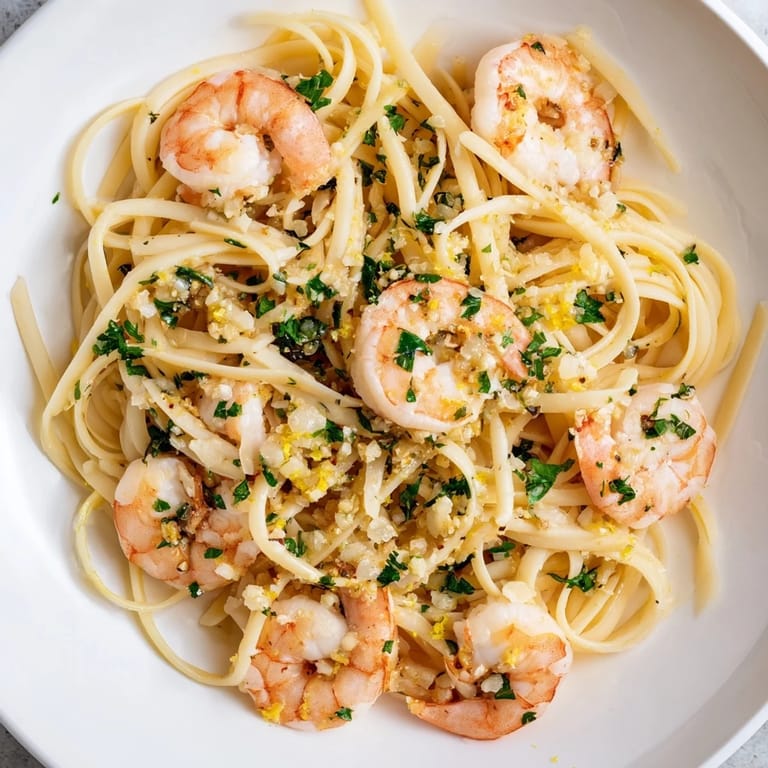
- Pull the skillet off the heat, toss in the chopped parsley, and taste for seasoning. Serve it immediately in warm bowls, topped with Parmesan if you like.
 Save to Pinterest
 There was a night last summer when I made this outside on a camping stove, and even without a proper kitchen, it tasted perfect. We ate it straight from the pan with plastic forks, and someone said it was the best pasta they'd had all year. That's when I realized this dish doesn't need anything fancy around it to shine. It just needs to be hot, garlicky, and shared with people who appreciate a good meal.
Serving Suggestions
This pasta is rich enough to stand on its own, but a simple arugula salad with lemon vinaigrette balances it nicely. I like to serve it with crusty bread to mop up every last bit of garlic butter from the bowl. A chilled glass of Sauvignon Blanc or Pinot Grigio cuts through the richness and makes it feel like a proper dinner party. If you're feeding a crowd, double the recipe and serve it family-style in a big, warm bowl.
Storage and Reheating
Leftovers keep in an airtight container in the fridge for up to two days, though the pasta will soak up some of the sauce as it sits. To reheat, add a splash of water or olive oil to a skillet over low heat and toss gently until warmed through. Microwaving works in a pinch, but the texture won't be quite as good. I've found that eating it cold straight from the fridge the next morning is surprisingly satisfying, though I won't admit that to everyone.
Customization Ideas
If you want to make it feel more indulgent, add a splash of dry white wine to the skillet right after the garlic and let it reduce before adding the shrimp. Swap the linguine for fettuccine or spaghetti if that's what you have, or go gluten-free with your favorite pasta alternative. For a spicier version, double the red pepper flakes or add a pinch of cayenne. You can also toss in halved cherry tomatoes or a handful of baby spinach at the end for extra color and flavor.
- Add a splash of cream for a richer, more decadent sauce that coats everything like velvet.
- Toss in sautéed mushrooms or sun-dried tomatoes for an earthy, tangy twist.
- Finish with a drizzle of truffle oil if you're feeling fancy and want to impress someone special.
 Save to Pinterest
 This is the kind of recipe that makes you look like a better cook than you actually are, and I mean that as the highest compliment. Make it once, and it'll become part of your weekly rotation.
Recipe FAQs
- → How do you know when shrimp is cooked through?
Shrimp cooks quickly and turns from translucent gray to opaque pink when done. Cook for about 2 minutes per side. Overcooked shrimp becomes tough and rubbery, so watch carefully and remove from heat as soon as the color changes.
- → Why reserve pasta water?
Pasta water contains starch that helps emulsify and thicken the sauce naturally. Adding it gradually creates a silky coating that clings to the linguine instead of leaving a pool of oil at the bottom of the dish.
- → Can you make this ahead of time?
This dish is best served immediately after tossing. However, you can prep ingredients in advance—peel shrimp, mince garlic, and measure sauce components. Cook and combine just before serving for optimal texture and flavor.
- → What wine pairs best with this dish?
Crisp white wines like Sauvignon Blanc or Pinot Grigio complement the bright lemon and delicate shrimp beautifully. The acidity cuts through the richness of the butter while enhancing the overall dining experience.
- → How do you prevent garlic from burning?
Keep heat at medium and watch closely after adding garlic—it should sizzle gently for about 1 minute until fragrant but still pale. Burned garlic becomes bitter and overpowering. If it starts browning, remove from heat immediately and start over.
- → Can you substitute different pasta shapes?
Yes, fettuccine and spaghetti work wonderfully as alternatives to linguine. Choose long, thin pastas that help capture the buttery garlic sauce. Avoid short pasta shapes like penne, which don't coat as elegantly with this style of sauce.